Guillermo Galoe’s feature adaptation of his own award-winning short film is a vivid depiction of the maligned, frequently misrepresented Roma shanty-towns on the fringes of Madrid.
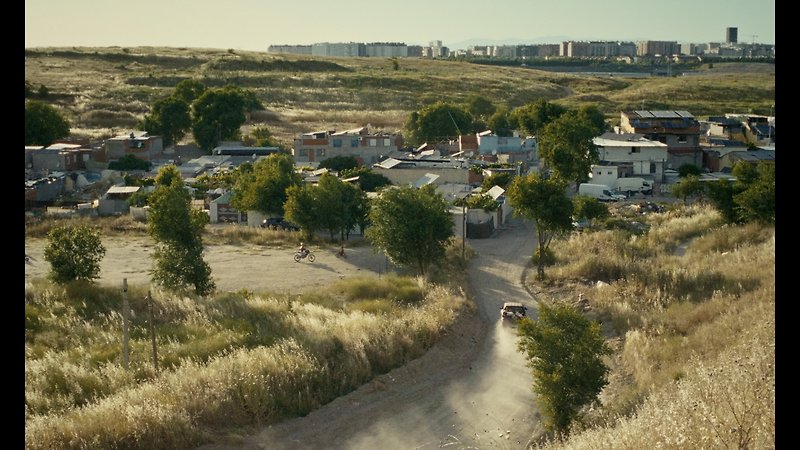
The bulldozers will continue to rid Europe’s great cities of the little-known Roma neighborhoods on their outskirts, but films like Sleepless City will help them be remembered for years to come.
Sleepless City 2025
Ciudad sin sueño
Session dates and venues to be announced
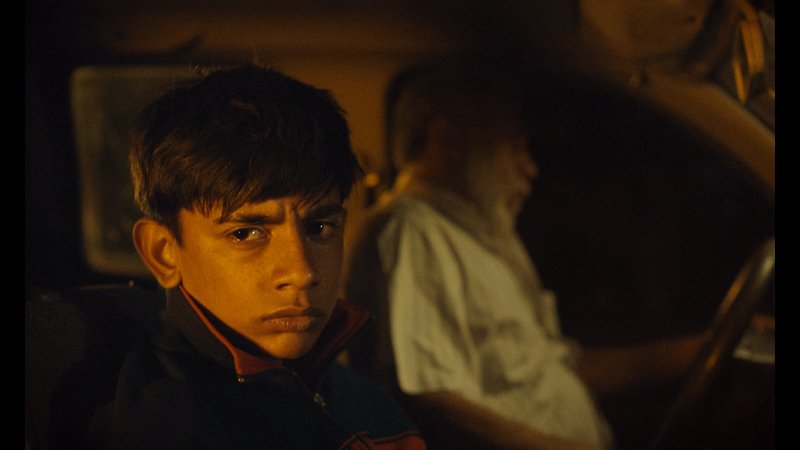
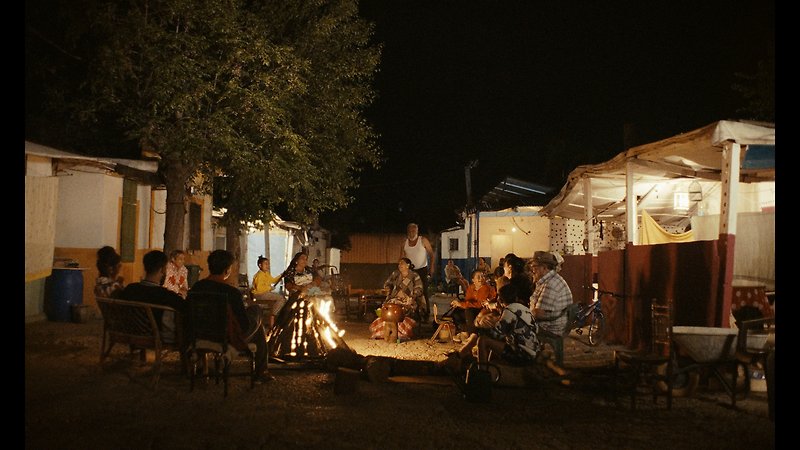
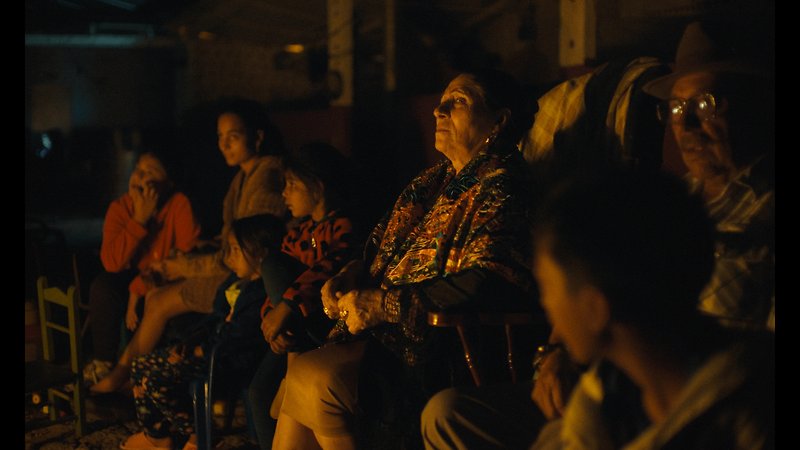
La Cañada Real is one of the last slums of Europe. An illegal settlement of mostly Romani, it’s where fifteen-year-old Tonino (Antonio Fernández Gabarre) lives with his sprawling clan, overseen by the patriarchal Chule (Jesús Fernández Silva). It is a place of stark poverty, no running water and rampant drug use. And yet, the space has its own, rough-hewn beauty, borne from a vibrant sense of community solidarity.
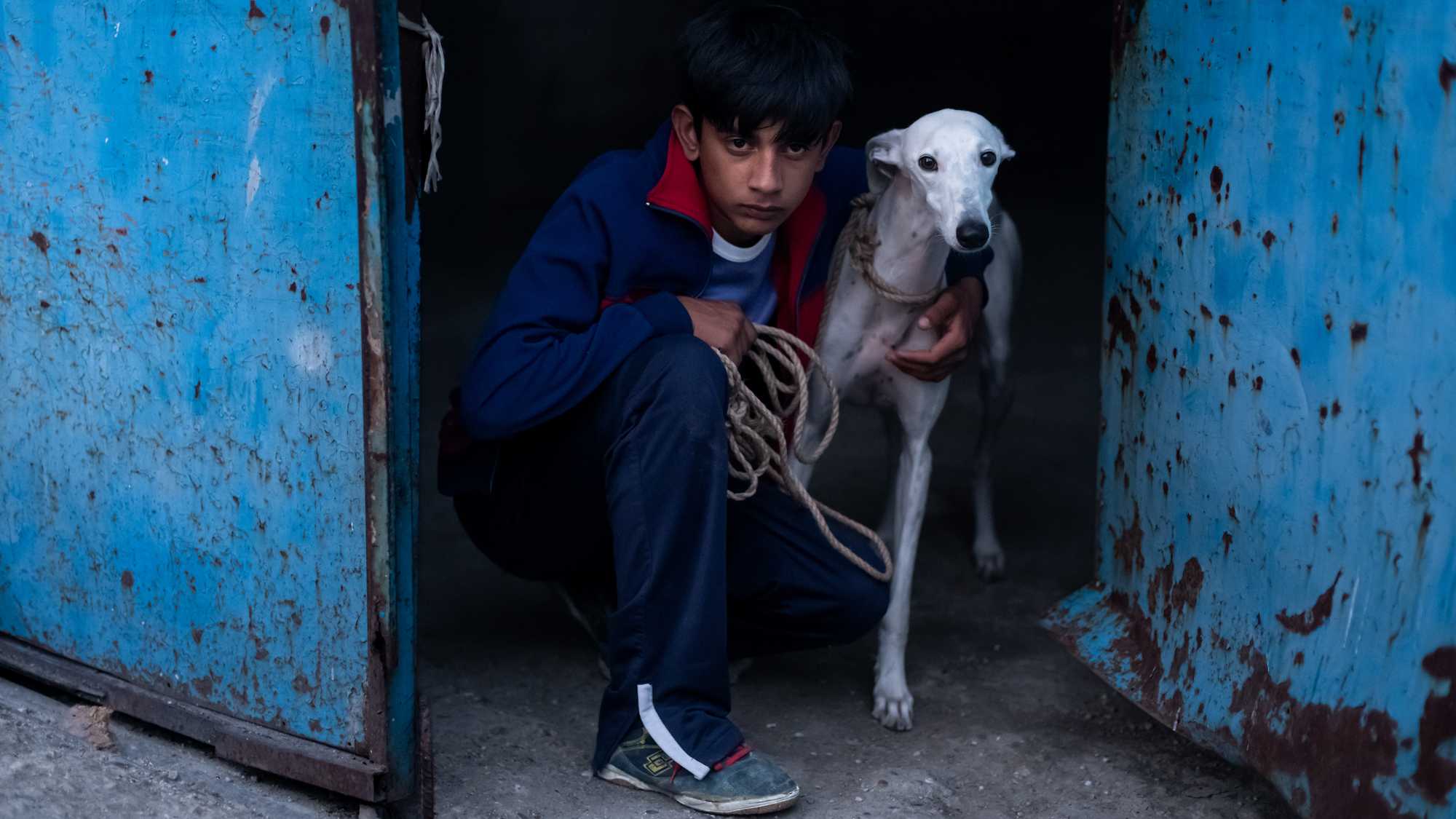
In a world of such precarity, young Tonino’s horizons seem to be ever-receding. The shanty-town is subject to constant demolition by the Spanish government; his best friend Bilal is moving away; his grandfather has paid off a debt by selling off his beloved greyhound Atomica. Then comes the news that his parents have accepted a governmental offer to move into a rent-controlled apartment, much to Chule’s chagrin.
Drawing comparisons to Fellini's early neo-realist films, this affecting bildungsroman utilises a cast of non-actors, filmed without scripts. Director Galoe is not simply interested in docu-realism, though, employing ambitious lensing and uncanny camera effects to suggest the squalor and unfettered freedom of a community forever teetering on the edge.
– Tom Augustine