A truck in flames, a woman gone, and two sisters left to pay the price... Shot without a script using a real Bedouin family in Lebanon's Bekaa Valley, this lyrical debut is a film about what women must sacrifice to survive.
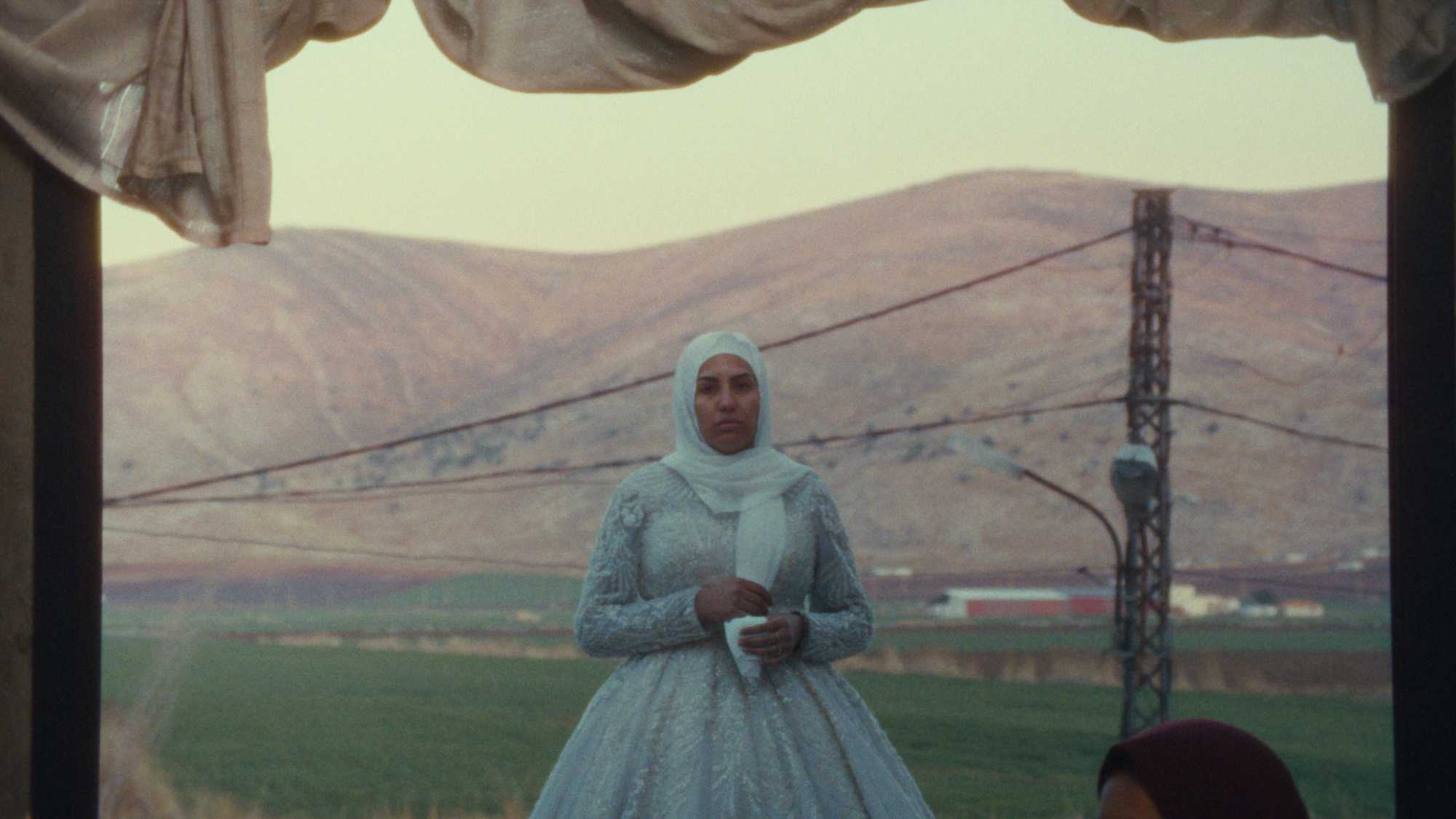
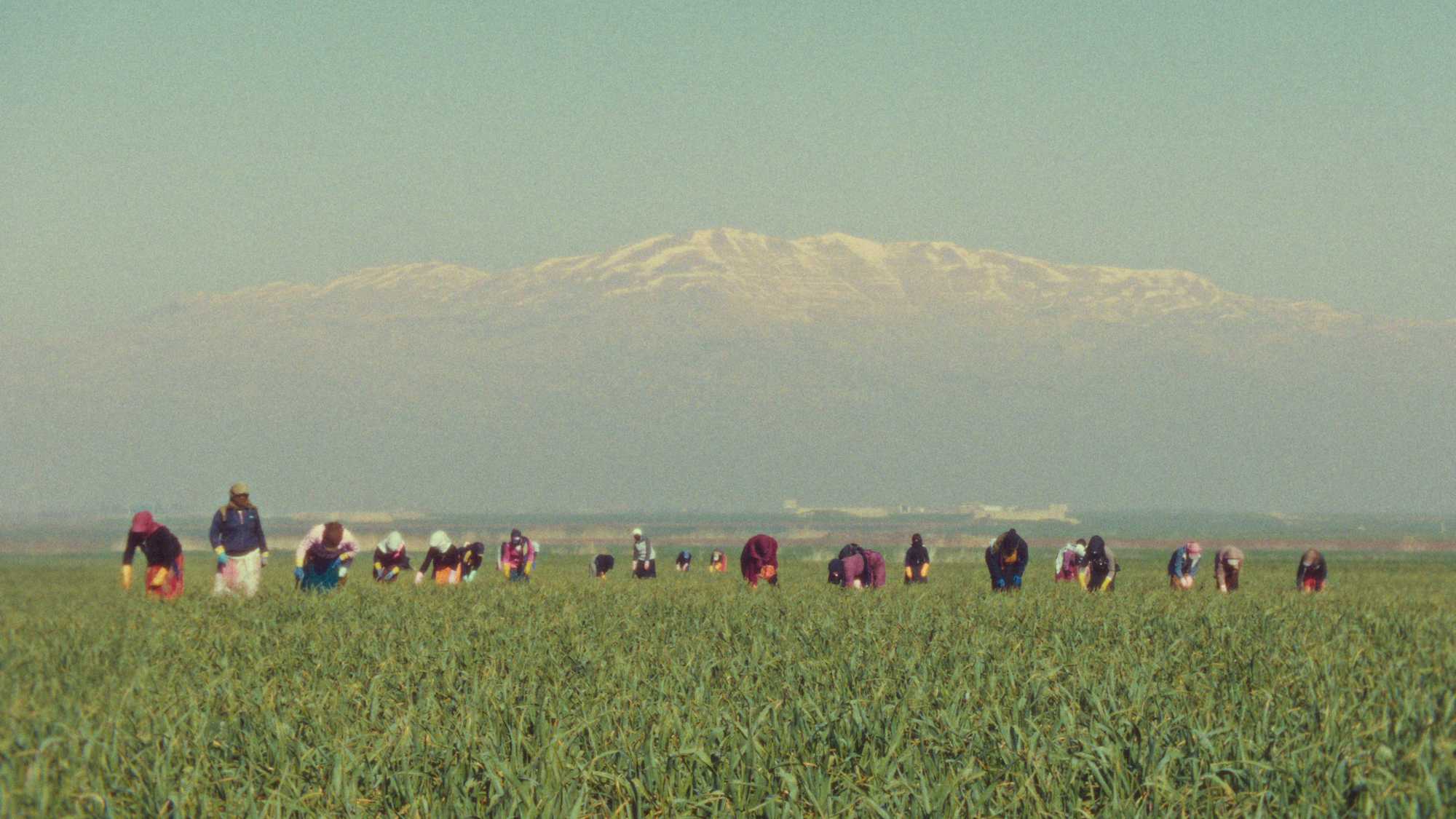
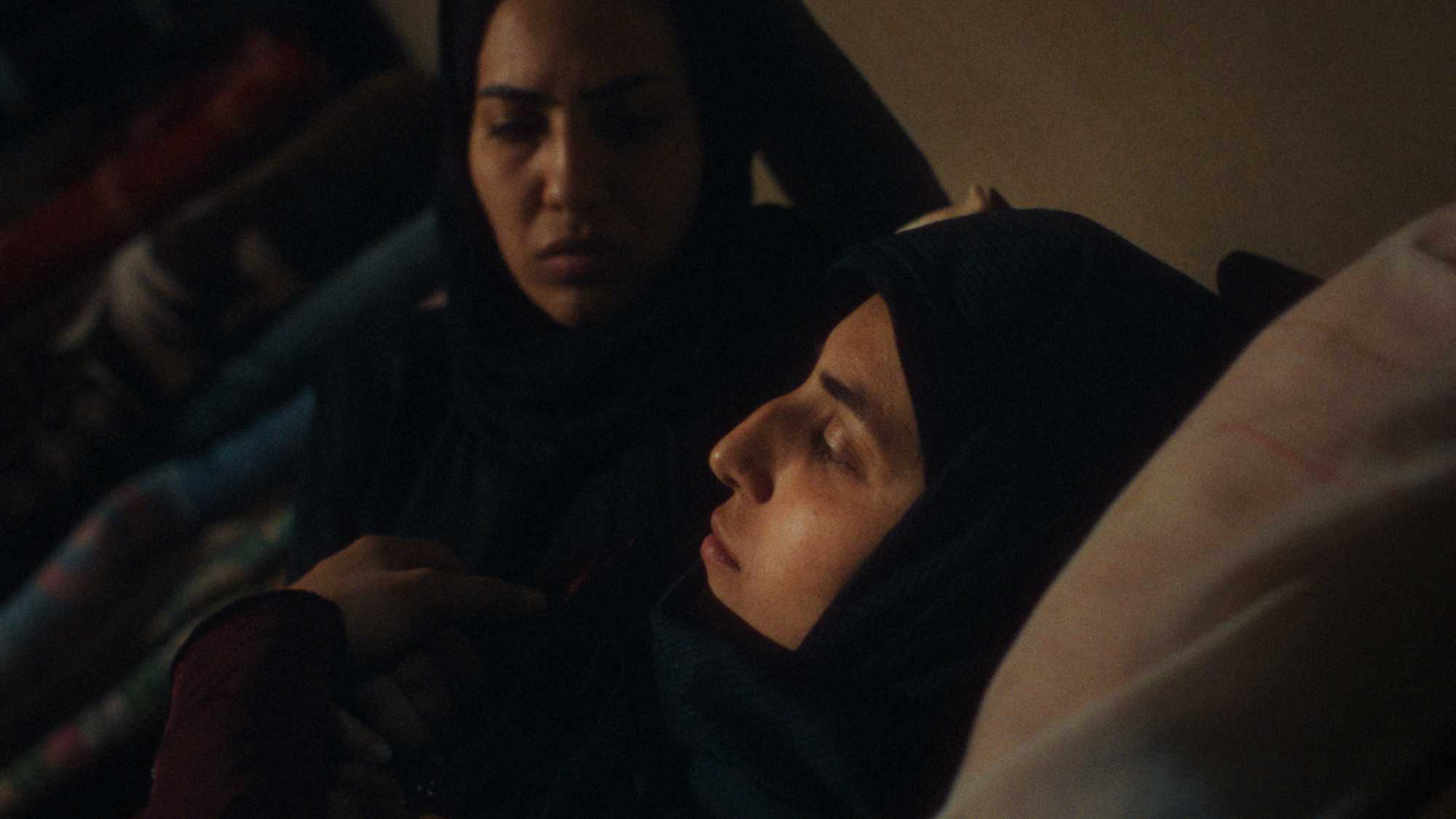
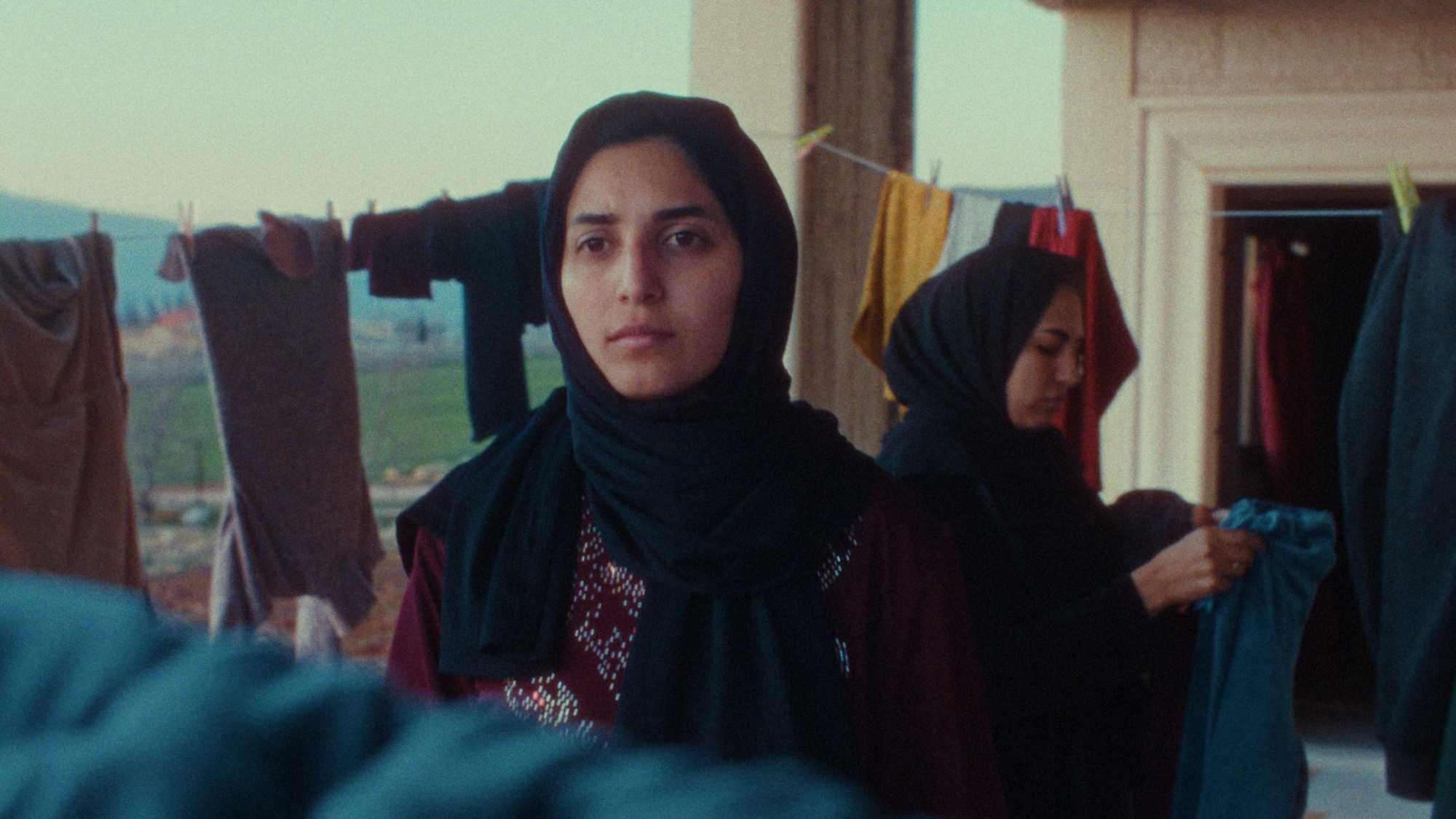
Shot without a script and with a non-professional cast, Yesterday treats the overarching story as a starting point, trusting in the instincts of its actors to guide them through scenarios presented by Mayasi’s plot, which he in turn based on accounts of his grandmother’s forced marriage at age 14.
Yesterday the Eye Didn't Sleep 2026
| Aug 08 |
|
“Genre-defying” can be an overused term these days, but Palestinian filmmaker Rakan Mayasi’s lyrical feature debut Yesterday the Eye Didn’t Sleep earns it, playing quietly and inventively by its own genre-free rules. The film takes viewers inside the traditions and patriarchal rituals of the Bedouin tribes in Lebanon’s Bekaa Valley. These pastoral people, also called “desert dwellers,” have been on the same soil for hundreds of years, going through the changes of settled life. But as Mayasi’s quietly attentive film articulates, their male-controlled customs still loom large.
Yesterday starts off with the image and ear-splitting sound of a truck in flames. A young woman, possibly with a romantic entanglement her family doesn’t approve of, has gone missing... and it’s up to her cousin Yasser (Yasser Al Mawla) to find her in order to resurrect his family’s honour. Further troubles find Yasser soon enough, when he accidentally hits and kills a man from a neighbouring Bedouin tribe, and it falls on the shoulders of his sisters to pay for his crime.
Mayasi’s visual and narrative priorities, rejecting both judgment and moral superiority, render his film all the more powerful.
– Tomris Laffly, Variety