Mystery swirls around Hein's return to his native island – is it really him? The villagers hold a trial, while director Kai Stänicke builds a Dogville-like set to stage a tense tale of empowerment.
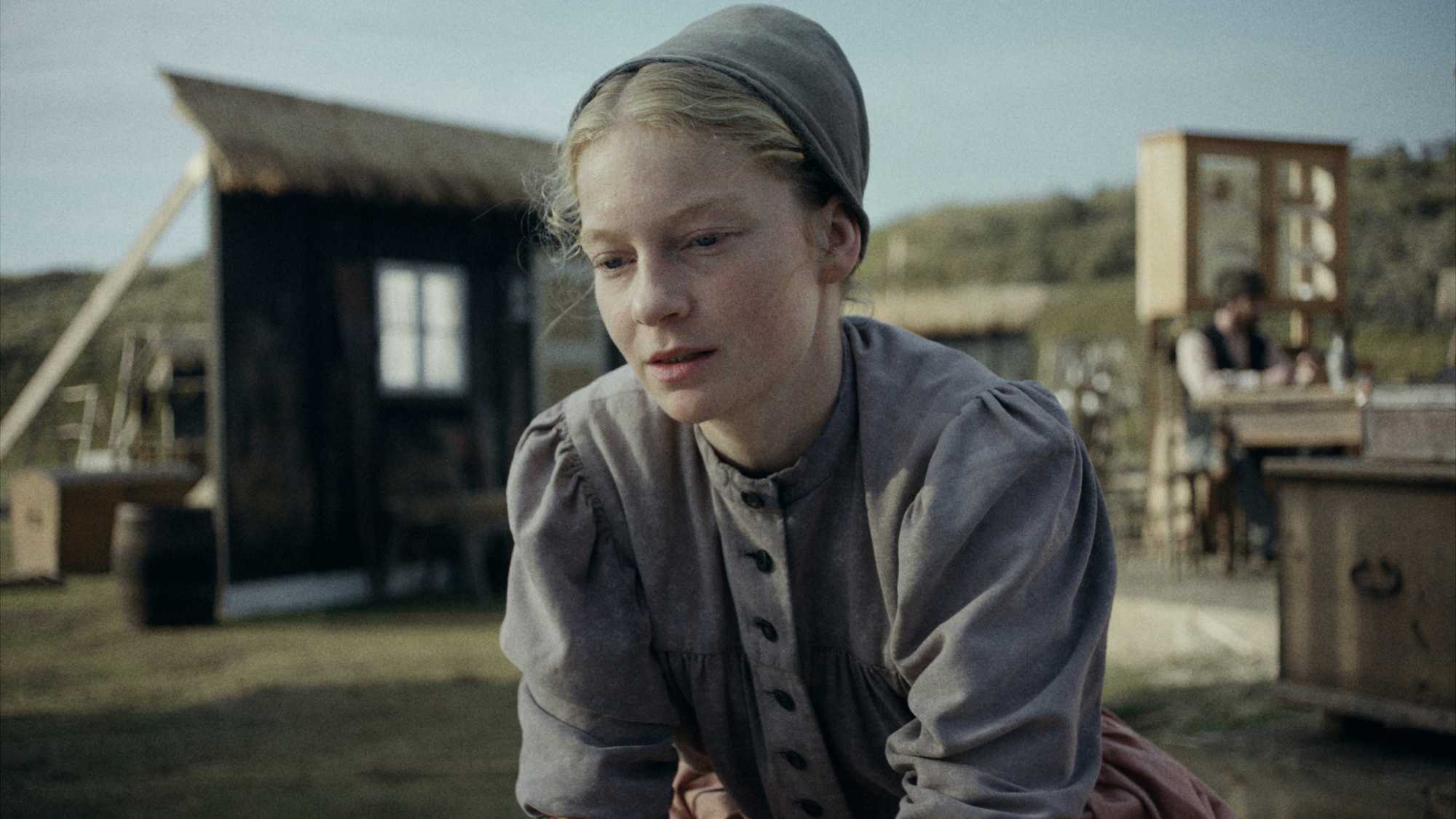
A worthwhile dramatic quest to understand how memory and experiences change people deep within.
Trial of Hein 2026
Der Heimatlose
| Aug 08 |
|


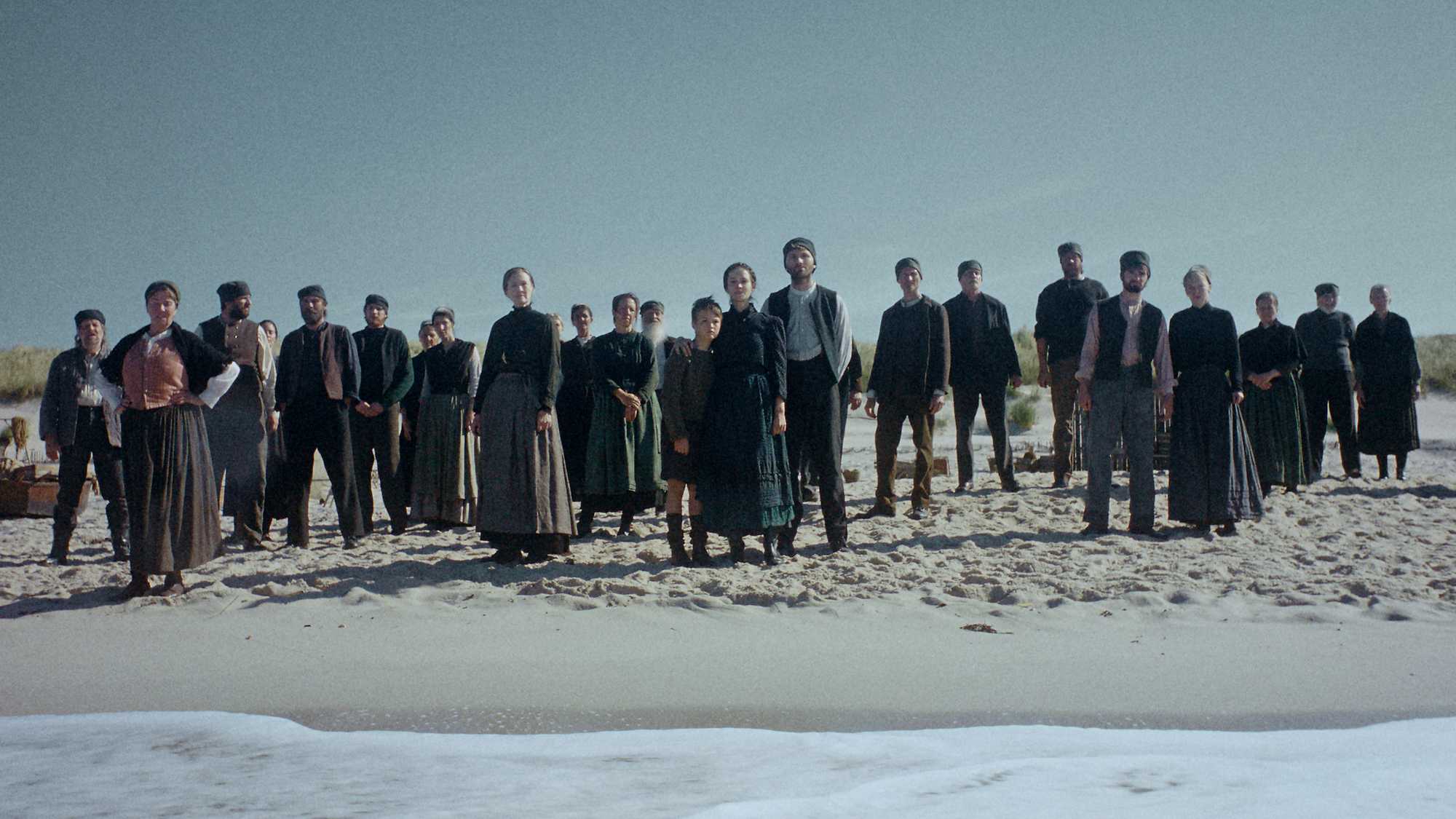
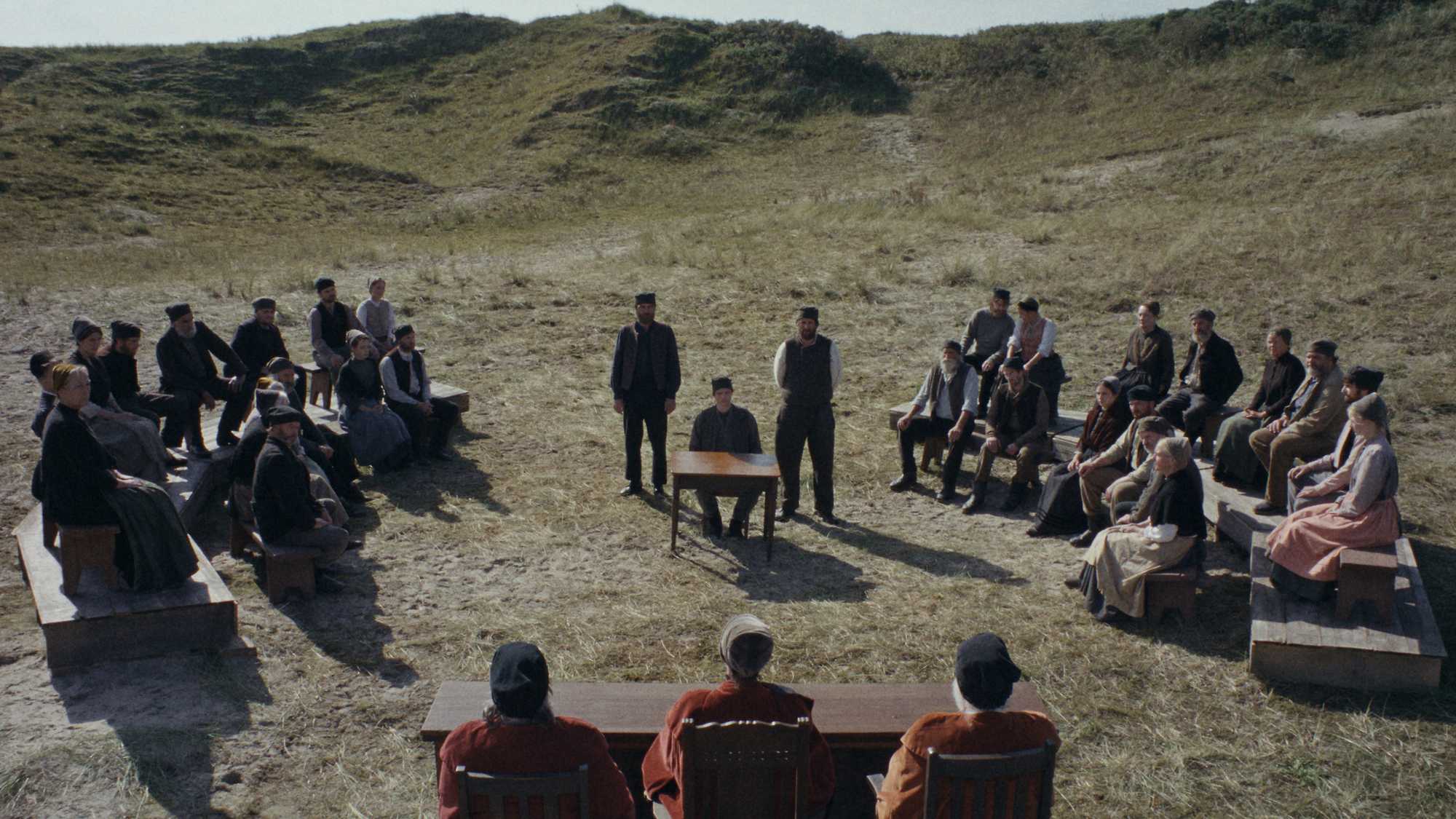
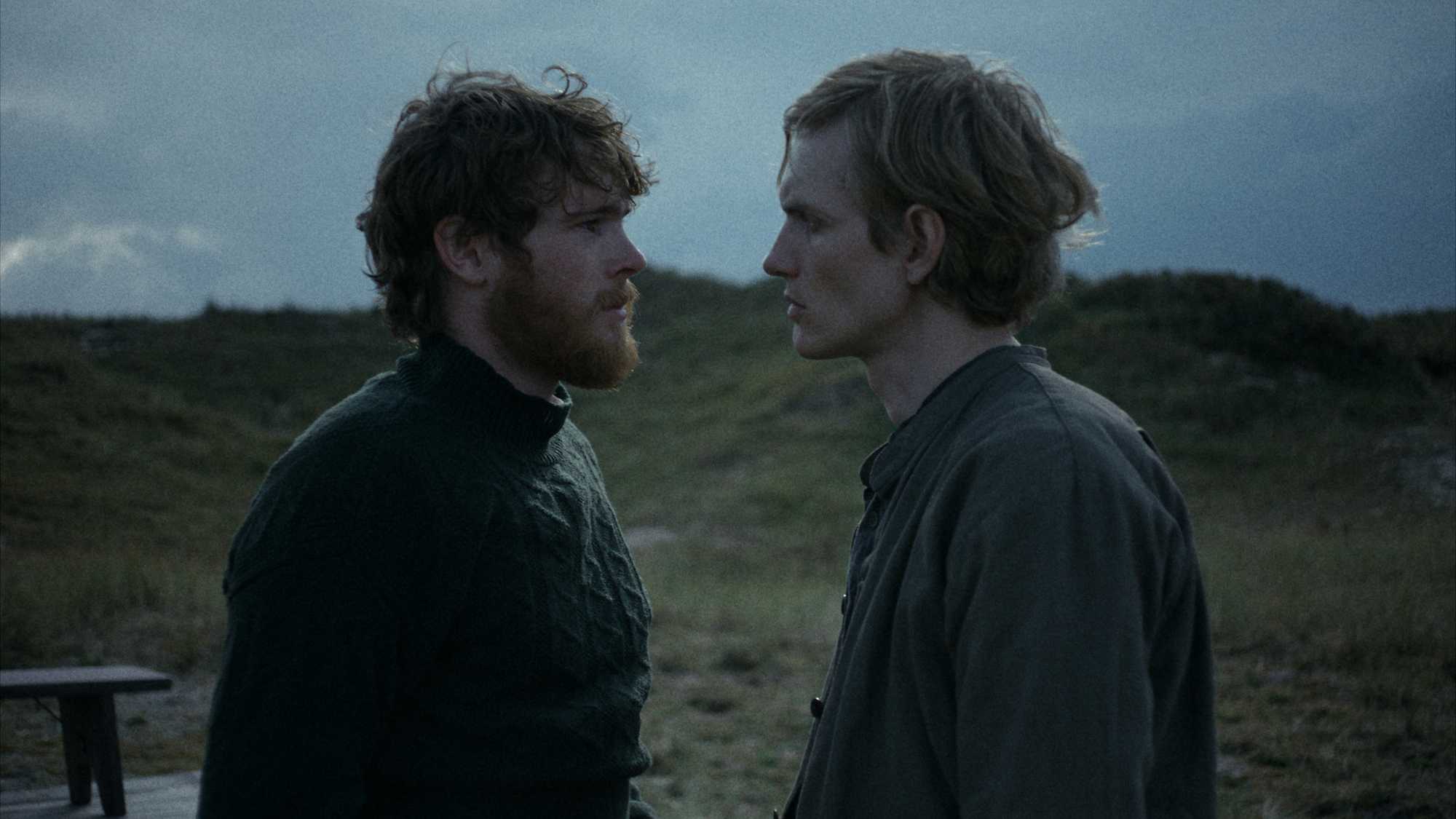
When Hein returns to his native island after fourteen years spent on the mainland, nobody in the rugged fishing village recognises him or wants to recognise him. His mother suffers from dementia, while his sister Heide was too young when he left. Even his childhood friends Friedemann and Greta doubt his identity. It doesn't help that Hein's accounts of the past collide with the villagers' memories. The elders call for a trial to probe into the stranger's identity.
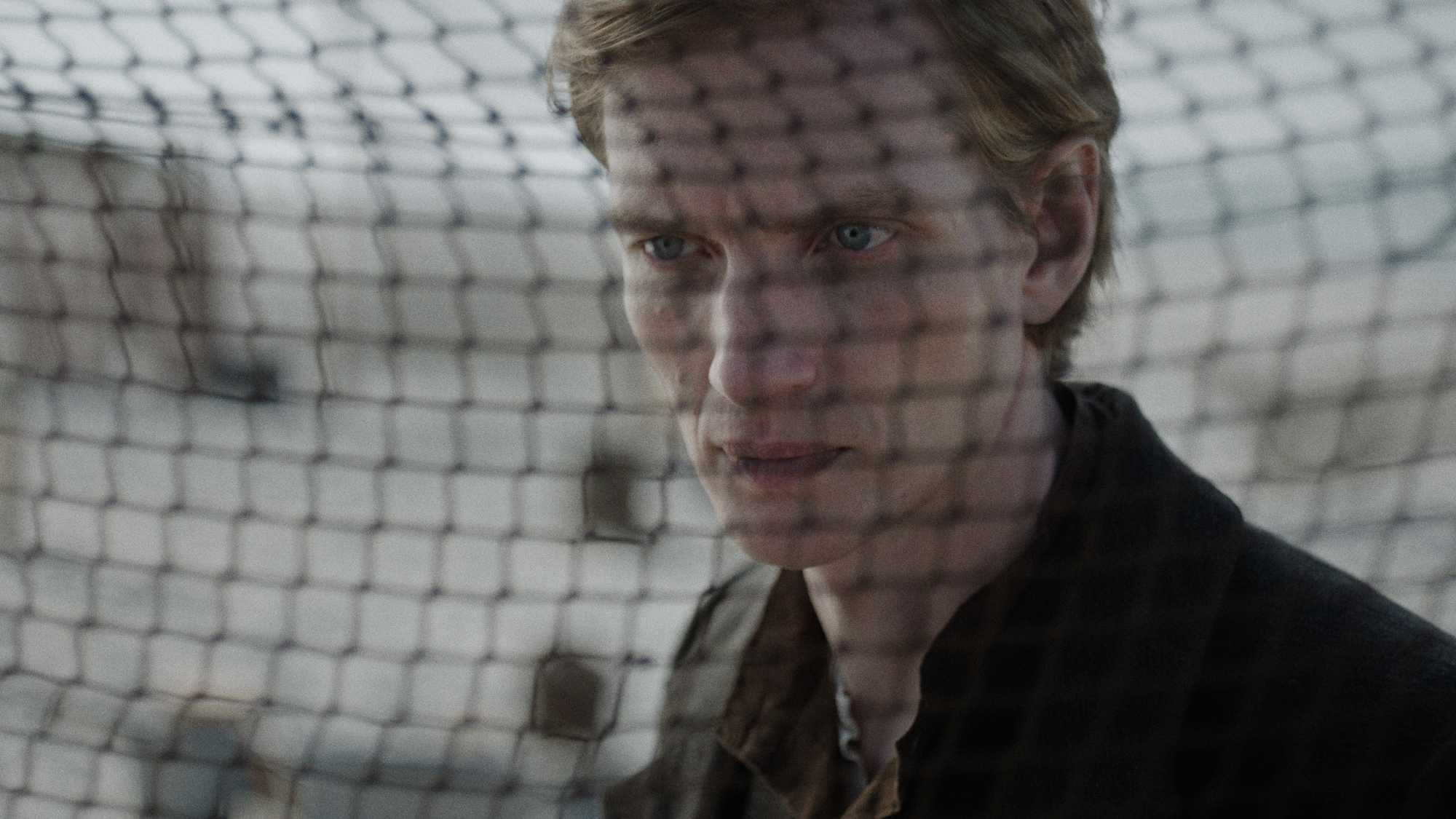
Awarded by the Teddy Awards jury of the 2026 Berlin Film Festival, Kai Stänicke's stirring debut feature Trial of Hein daringly stages its drama in an abstract set that recalls Lars Von Trier's, Dogville. Hein's hometown is made up of wooden facades, where home interiors miss external walls. The disorienting stratagem may be a clever budget-saver and may play as a metaphor, but most of all, it effectively directs the audience's absorption into the terrific mystery at play. Tense as a violin string, Paul Boche's emotional performance as Hein is the anchor of Stänicke's empowering tale of reclaiming one's own past, while affirming the right to be different.
– Paolo Bertolin