Based on true events, Turkish director Emin Alper’s latest is a deeply unsettling and atmospheric examination of the roots of atrocity, seen through the eyes of a village leader whose personal insecurities drive him to commit horrific deeds.
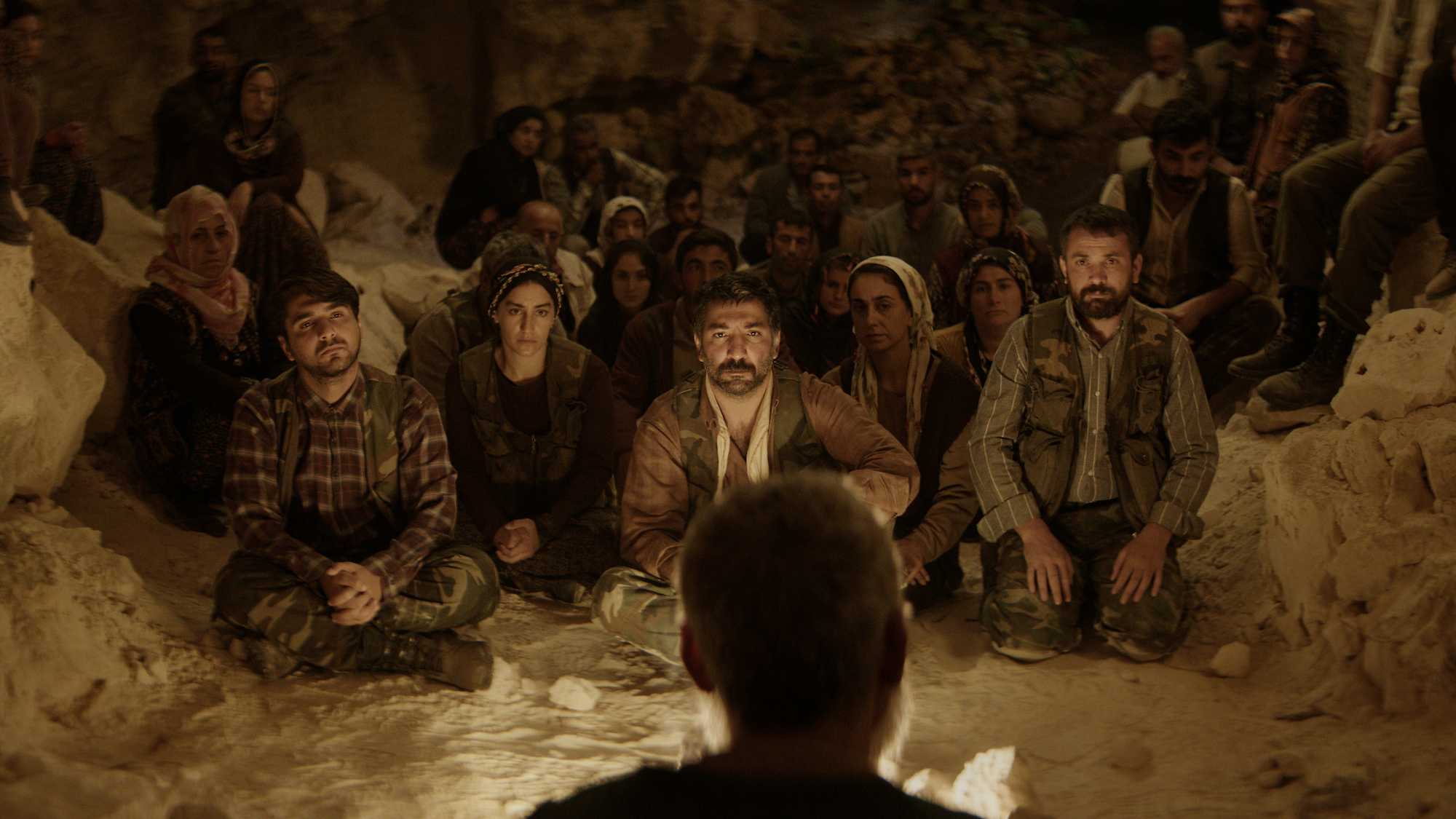
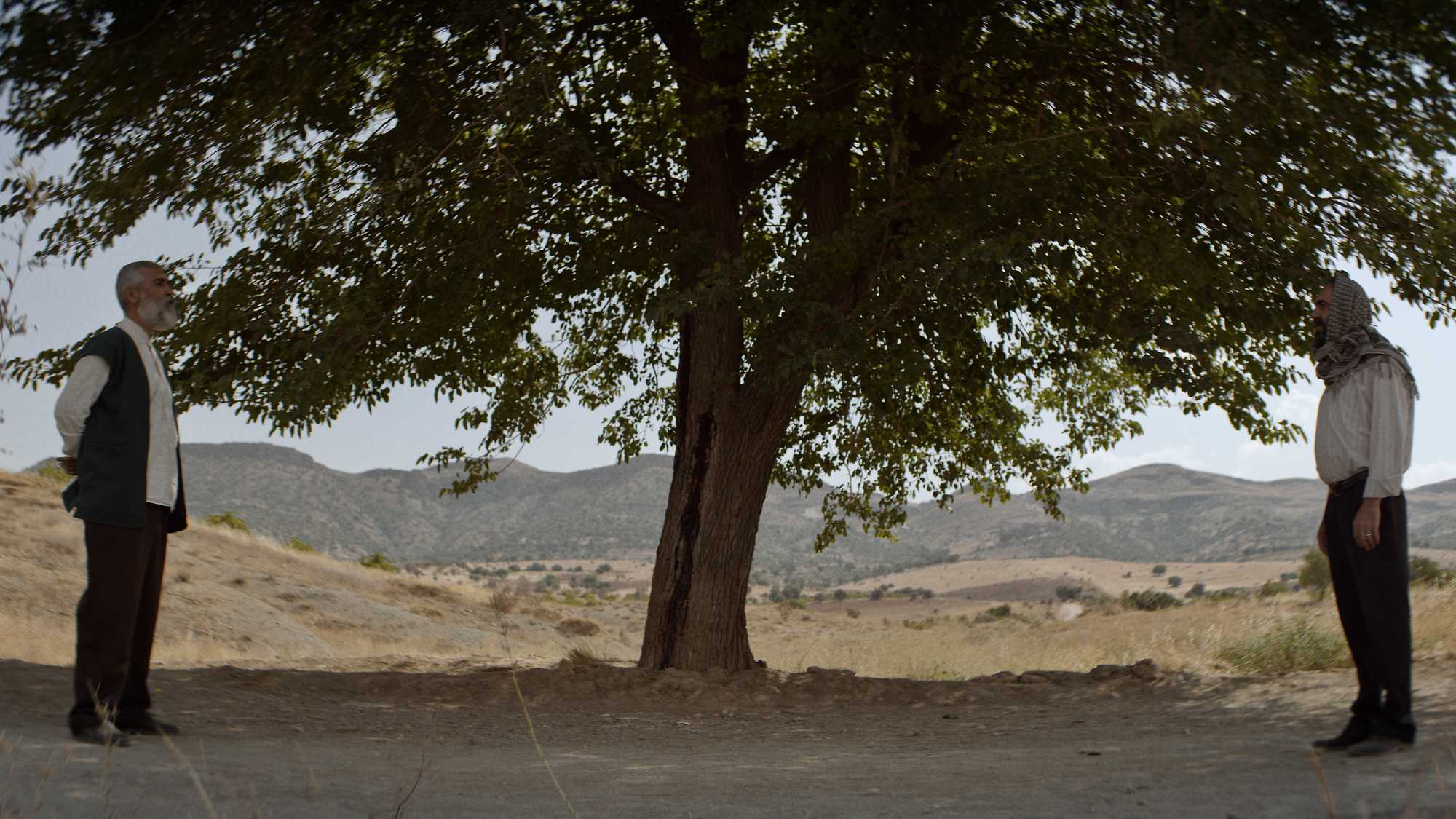
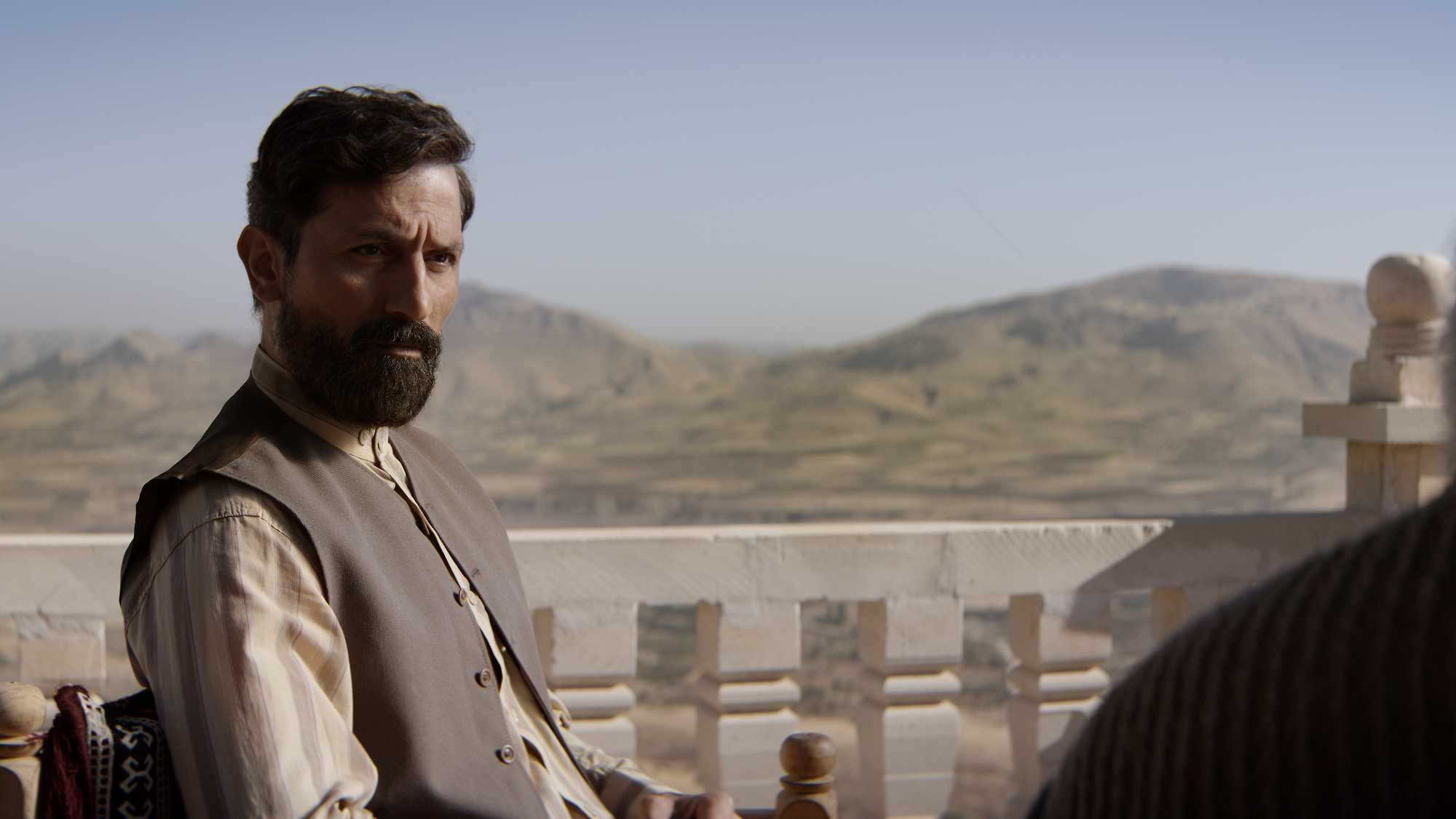
Alper looks at the architecture of an atrocity and the superstitions, religious fervour, weaponised misconceptions and long-cherished lies that underpin an act of extreme violence.
Salvation 2026
Kurtuluş
| Aug 04 |
|
Grim portents plague Mesut (a menacing Caner Cı̇ndoruk) in both sleep and waking — fires on the plain, phantoms in the night, sleepwalking children and mysterious twins, all pointing him toward a conviction that he has been chosen to lead a violent retribution. The provincial Turkish village in which he resides is a hotbed of tension and paranoia, as a long-standing feud with an exiled community threatens to come to the fore, something Mesut’s younger brother and town leader Sheikh Ferit (Feyyaz Duman) is desperate to divert his bullish and easily misled subjects from pursuing. Plagued with insecurities fraternal, sexual and political, Mesut finds that playing into his fellow townspeoples’ fears and prejudices is a useful tool, as terrible violence looms on the horizon.
Territorialism, religious fervour and groupthink are the root concerns of Emin Alper’s nightmarish and muscular new feature, evoking modern conflicts from Gaza to Ukraine, ICE to Brexit, without naming any directly. The town at the centre of the story is rendered as a hauntingly nondescript space, a walled and paved maze of dim alleys surrounded by arid farmland. Throughout, Alper shifts imperceptibly between the landscapes of dreams and reality, reflecting the tortured mind who so quickly takes the fate of others into his hands. — Tom Augustine