Marcelo Martinessi crafts a sultry, political thriller where private longing intersects with authoritarian power.
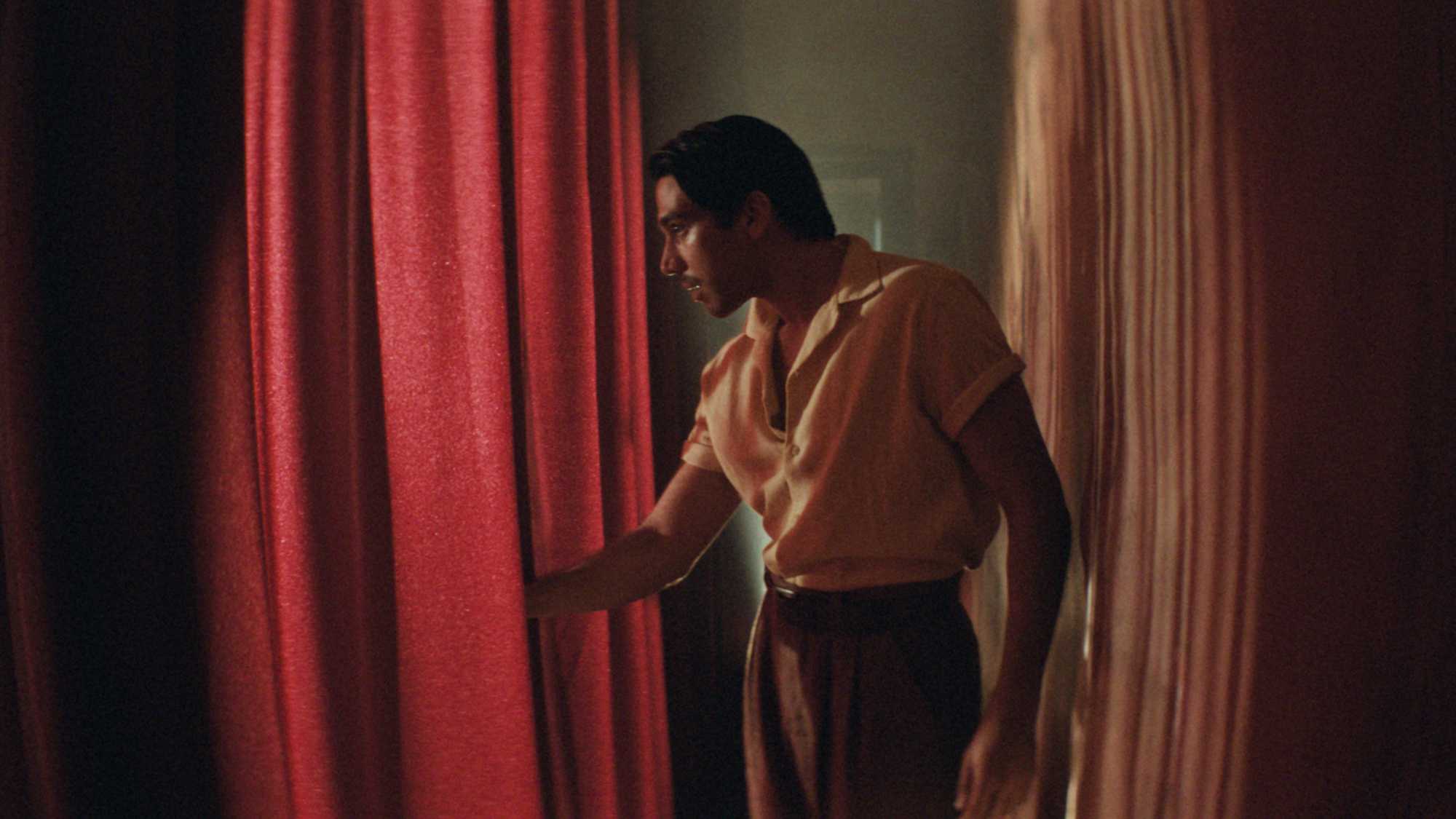
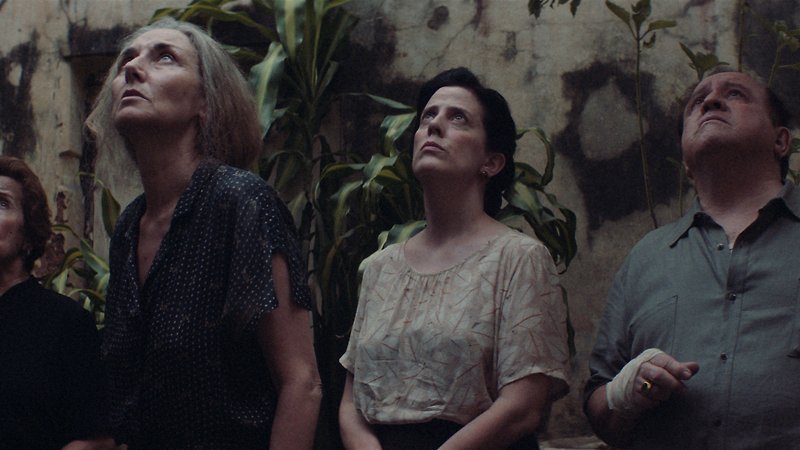
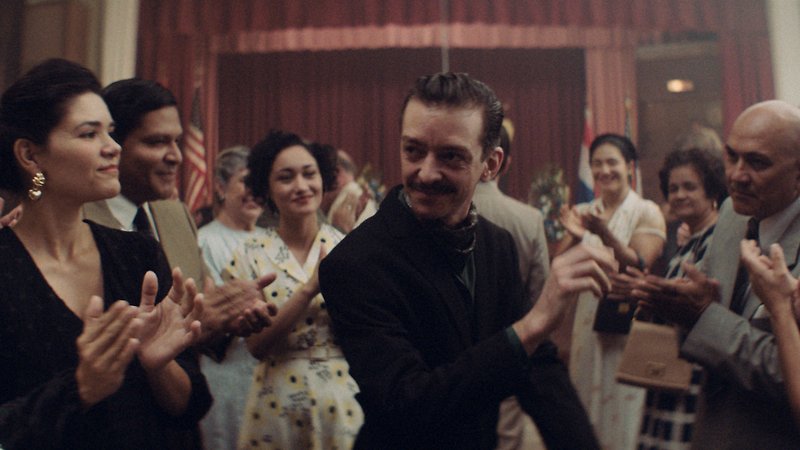
With elements of mystery, Martinessi constructs a study of cultural transition in which personal vulnerability and political transformation unfold in parallel.
Narciso 2026
| Jul 30 | | ||
| Aug 01 | | ||
| Aug 05 |
| ||
| Aug 07 |
|
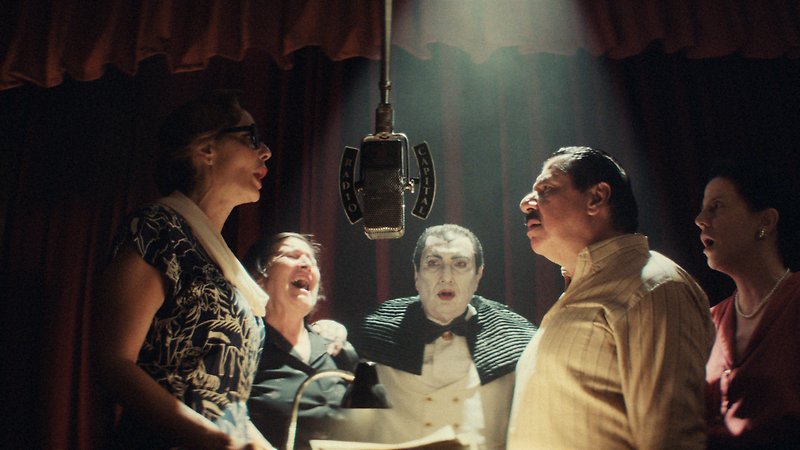
In the opening minutes, a high-energy radio hall dances without reserve to the sounds of Buddy Holly’s ‘Peggy Sue’. Introducing the song on the microphone is Narciso Arévalos, a magnetic presence who infectiously moves around the stage. Later that night, his body is found tied to his bed and completely burnt, echoing the 1958 murder of real-life radio personality Bernardo Aranda, the inspiration for the story. From there, the narrative flashes back a year to trace the chains of events that culminated in this tragedy.
Paraguay in the late 1950s was only just beginning the longest dictatorship in South American history under the iron fist of President Alfredo ‘El Rubio’ Stroessner. These political pressures serve as the backdrop for the dedicated radio team in Asunción producing radio plays and celebrating local folk music. Narciso is eager to introduce the Paraguayan youth to rock ‘n’ roll, station boss Lulù is reluctant to pivot and clings to tradition. The colliding forces of liberation and state control offer rich territory for thematically resonant ideas to play out. Beyond the gorgeous period recreation and striking cinematography, the enduring role of art in times of tyranny remains relevant as ever today.
– Jerome Cargill