A pristine masterpiece from Polish Academy Award winner Paweł Pawlikowski, reflecting on history and its shadows on the present, as well as on the undying bond of family ties.
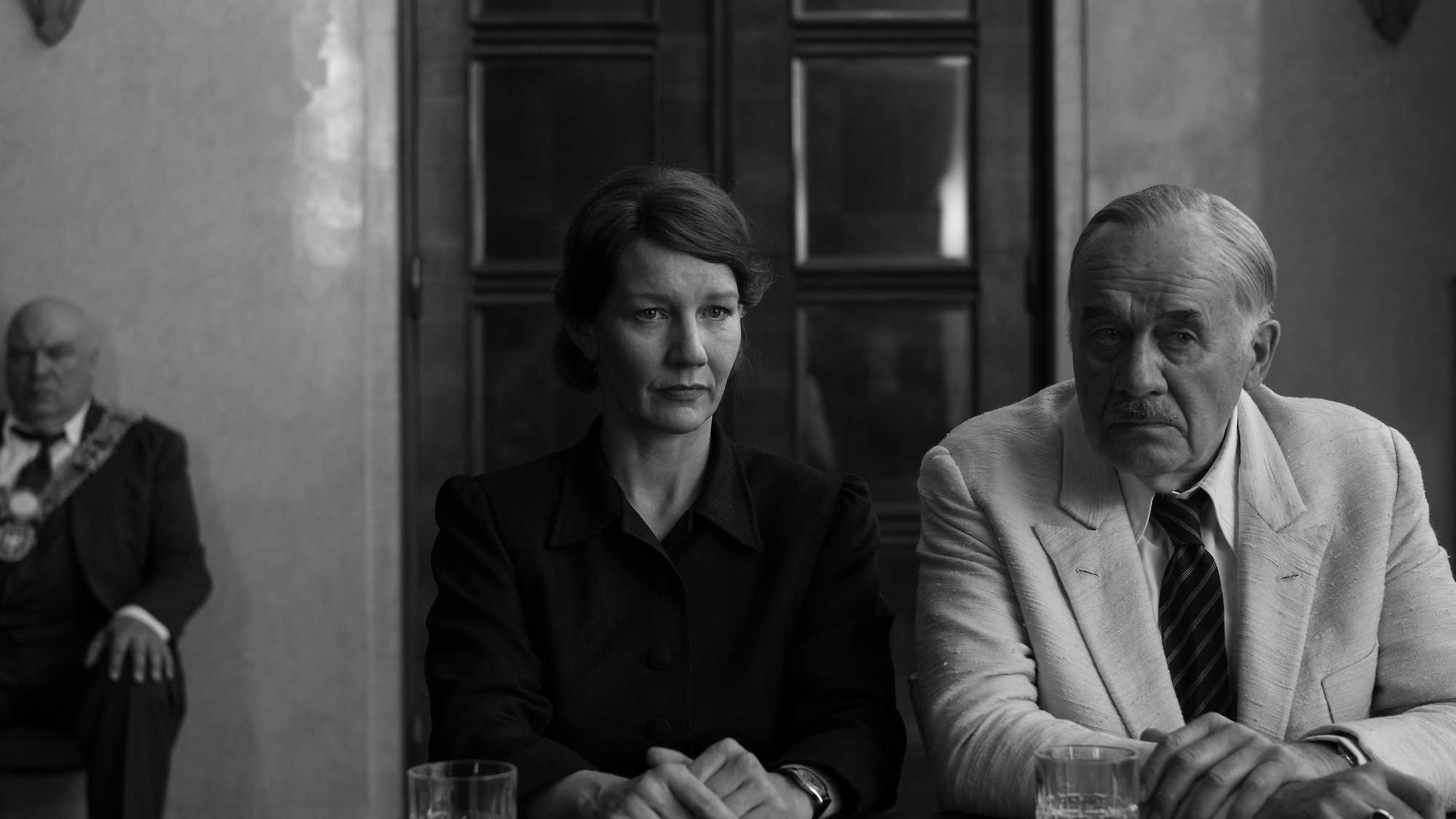
It is the music of Bach that is to bring some measure of redemption and emotional release for both father and daughter, but Pawlikowski does not offer anything emollient or elegiac in this taut, literate picture.
Fatherland 2026
Vaterland
| Aug 07 | |
Few filmmakers in contemporary cinema have marked an ascent into artistic accomplishment as Paweł Pawlikowski. After Ida (2013) became the first Polish film to win the Academy Award for Best International Film, Cold War (2018) confirmed his ability to evoke emotional depth against the backdrop of a past that left painful traces in the present. With Fatherland, awarded the Best Director Award at Cannes Film Festival, Pawlikowski ups the ante in a masterclass of essential filmmaking.
Fatherland delivers a rigorous black and white account of a few days in the life of writer Thomas Mann (Hanns Zischler), as he returns to Germany from the United States in 1949, to receive two Goethe Awards, one from the Federal Republic, and one from the Democratic Republic. His daughter Erika (an impeccable Sandra Hüller, also in Rose at NZIFF 2026) assists him while he prepares and delivers his speeches, as he ignores the aching sufferance of his estranged son Klaus. Mann's public musings on German history cast a shadow over our contemporary war-torn world, while the family drama that unfolds behind closed doors allows Pawlikowski an exquisitely moving ending.
– Paolo Bertolin