A profoundly personal, revelatory portrait of a family in crisis told through the perspective of a young child as she struggles to understand her older brother’s increasingly unsettling behaviour.
Blue Heron’s emotional exploration leads toward not a moment of catharsis but a mournful acceptance of its absence; all the same, Romvari’s film is a gorgeously intimate gesture, one that lingers in memory like sunlight through a closed window or a handprint on skin.
The Blue Heron 2025
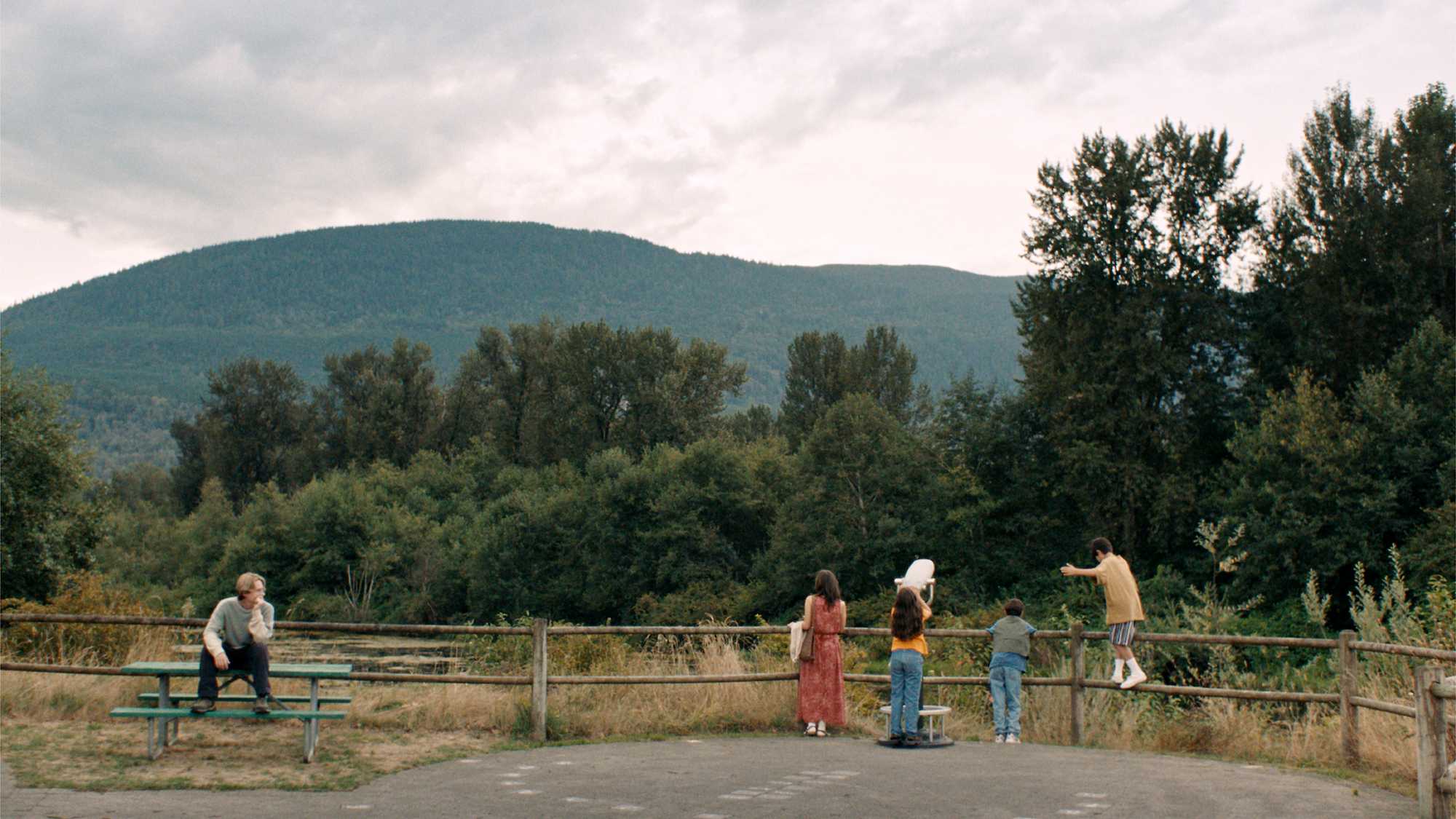
One summer in the late 1990s, a Hungarian family makes a new home in Canada as eldest child Jeremy starts to act out.
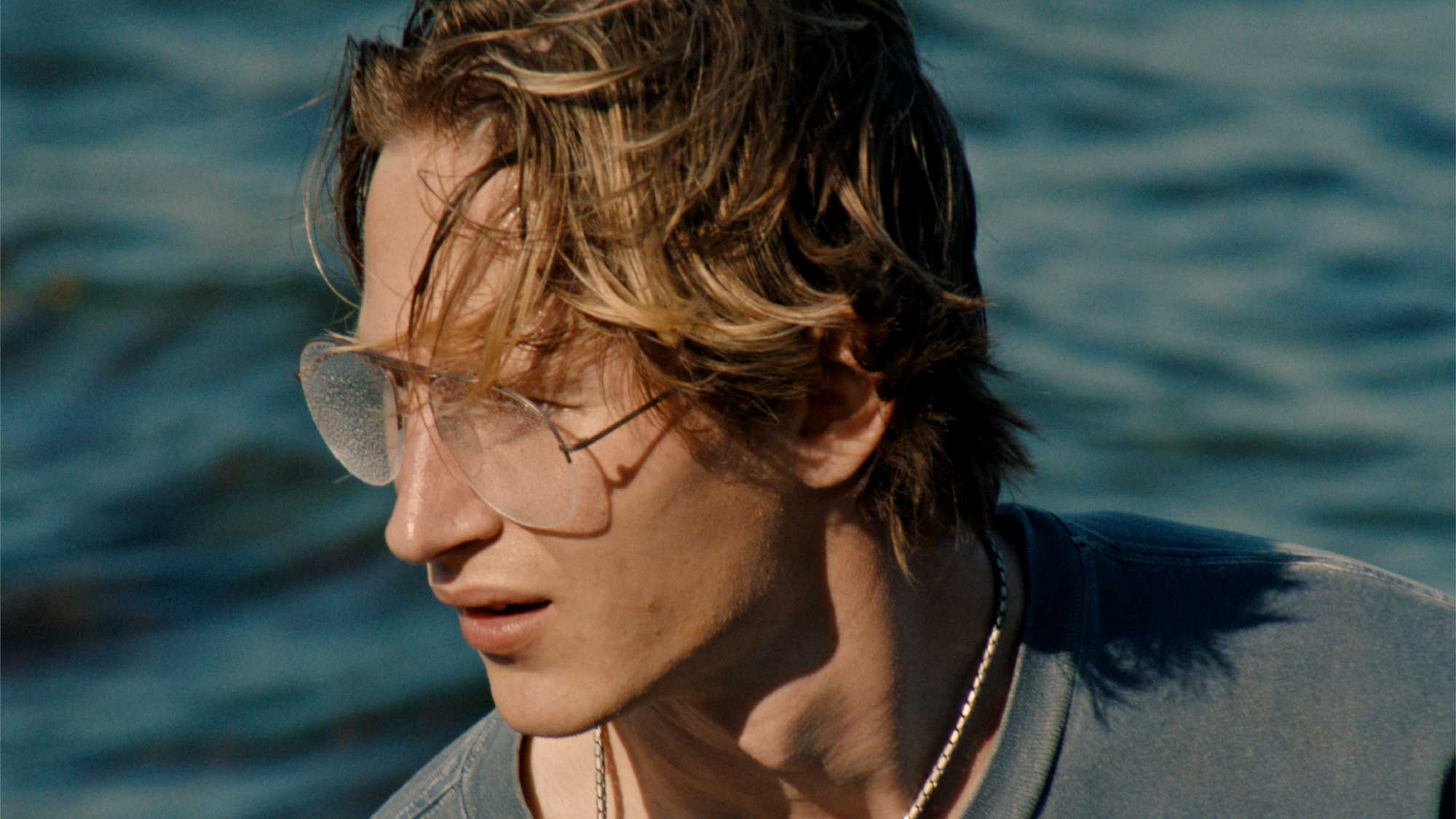
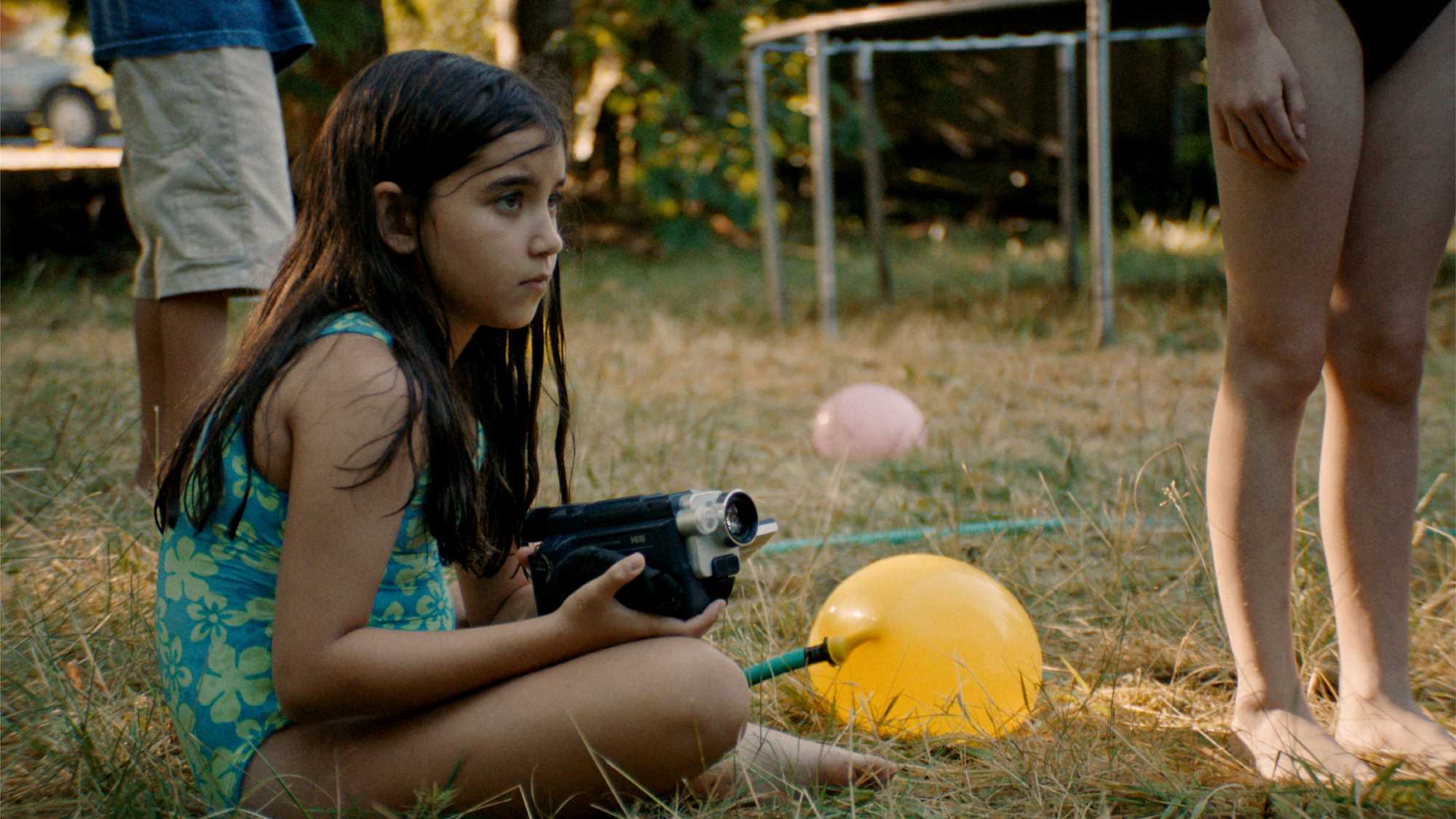
Structured as a diptych, the first half of the film follows the point of view of eight-year-old Sasha as she begins to notice her brother’s increasingly disconcerting behaviour. The tension is cumulative, with his actions escalating from teenage defiance and petty theft to more dangerous risks, threats and trouble with the law. Their parents are at a loss, bursting with compassion and concern yet without answers.
A perspective shift at the film’s midpoint is pulled off with staggering elegance and emotionality. Director Sophy Romvari’s personal perspective here intertwines with that of her characters and the film becomes more than its own narrative, rather an act of remembrance that speaks to the fallibility of memory and the stubborn impossibility of truly understanding another, even when that desire is so strong it hurts.
Formally daring and heart wrenching in its emotional precision, Blue Heron is an electric work that speaks to the long shadow cast by trauma and the attempt to make sense of its fractured reverberation.
– Amanda Jane Robinson