Indie cinema’s long-time King of Cool Jim Jarmusch finds mystery and melancholy alike in this triptych of family short stories, each grappling with the weight of shared history.
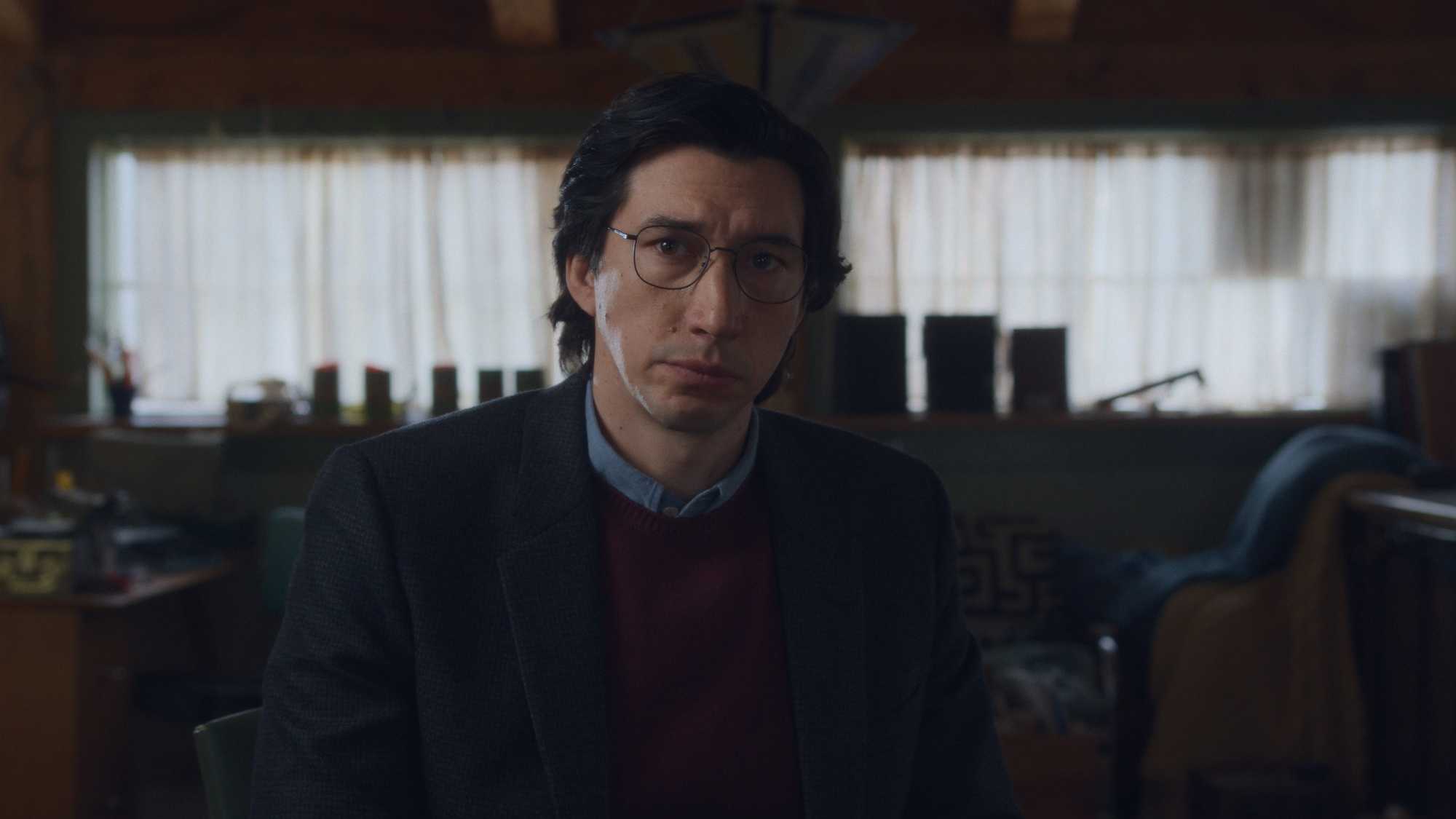
The seeming sleepiness of a movie like Jarmusch’s new and prize-winning triptych Father Mother Sister Brother is deceptive and also instructive… there’s something to be said for art that swaps out sensory overload for a more subliminal sort of programming.
Father Mother Sister Brother 2025
| Jul 30 | | ||
| Jul 31 | | ||
| Aug 03 | | ||
| Aug 09 |
| ||
| Aug 11 | |

Jim Jarmusch’s quiet, unvarnished trio of short stories represents a return to the auteur’s grounded, small-scale wheelhouse, triumphing at the Venice Film Festival after the perceived failure of his caustic and deeply divisive satire The Dead Don’t Die in 2019.
Jarmusch channels his beloved Yasujirō Ozu through stories of family members struggling to make sense of each other and their shared history; two siblings (Adam Driver and Mayim Bialik) pay a tense visit to their seemingly destitute father (Tom Waits); a prim, proper mother (Charlotte Rampling) hosts tea with her two ideologically dissimilar daughters (Cate Blanchett and Vicky Krieps); a pair of twins (Indya Moore and Luka Sabat) sift through the detritus of their recently deceased parents’ lives. Like any good short story, each segment functions as a tiny abstract of larger lives, filled with ellipses and ambiguities. The first two segments leave a bitter aftertaste, the third — crucially shifting focus to younger characters — serving as a cathartic, sweet tonic.
What is unsaid and unshown is vital: everywhere there are remnants of disagreements, traumas, lies and rescues that we are invited to colour with our own familial experiences. It makes for some of the most stripped-back work Jarmusch has ever put to screen — but, like Ozu, within the seeming simplicity there lies multitudes.
– Tom Augustine