Titane director Julia Ducournau’s third feature tackles the late 20th-century AIDS crisis in France through her distinctively vivid and brutal lens, a fiery film as visceral as it is profound.
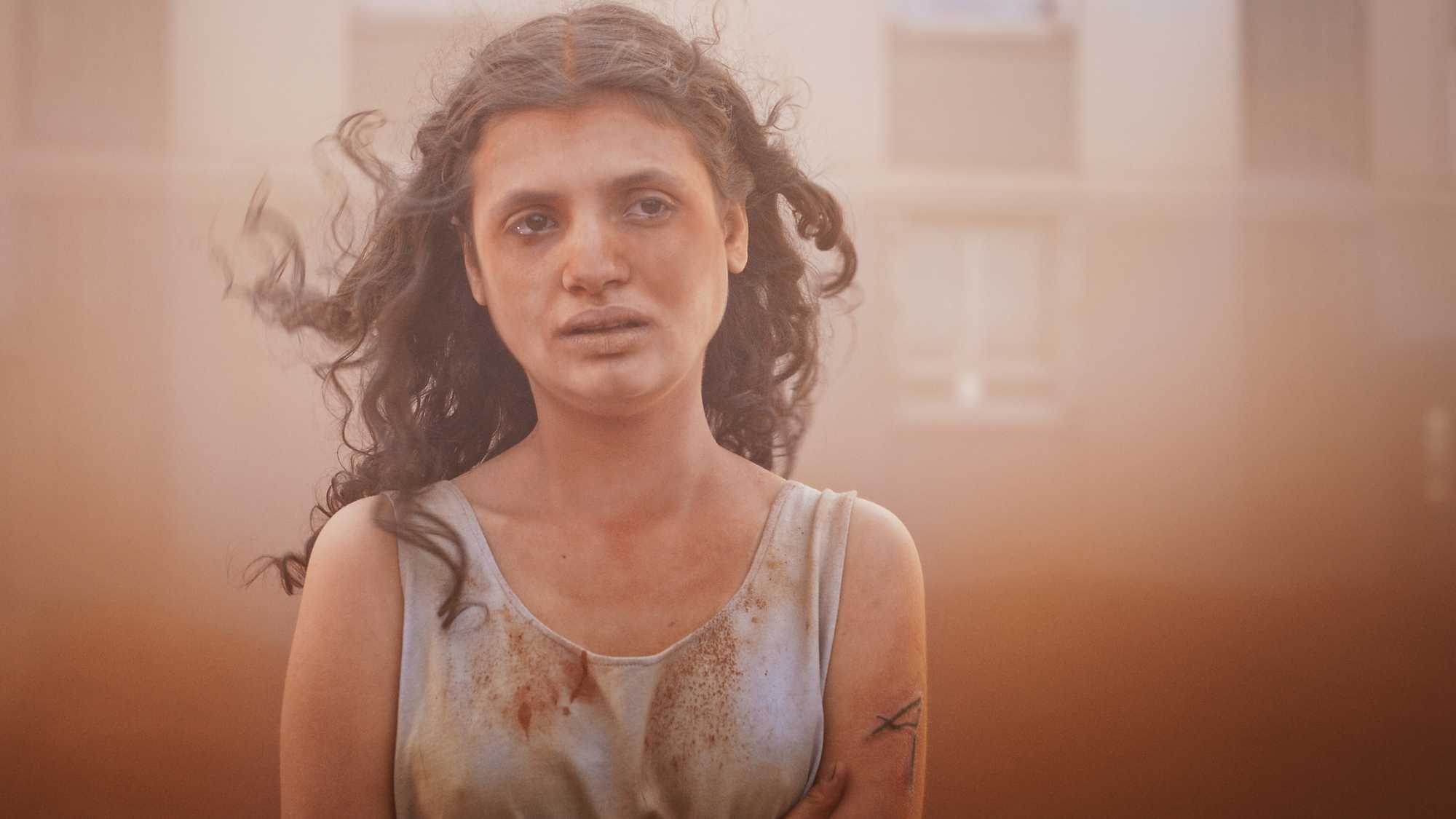
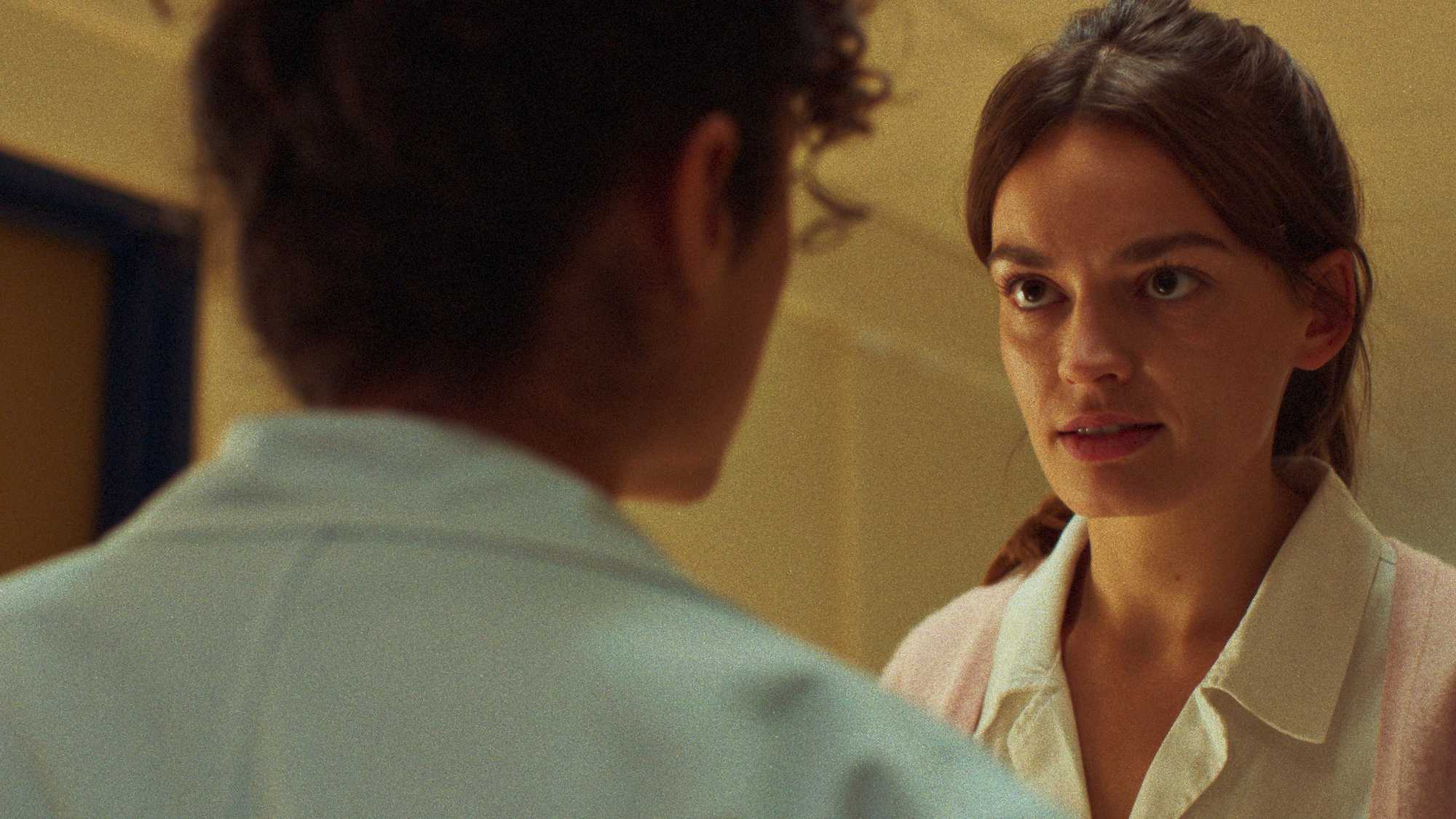

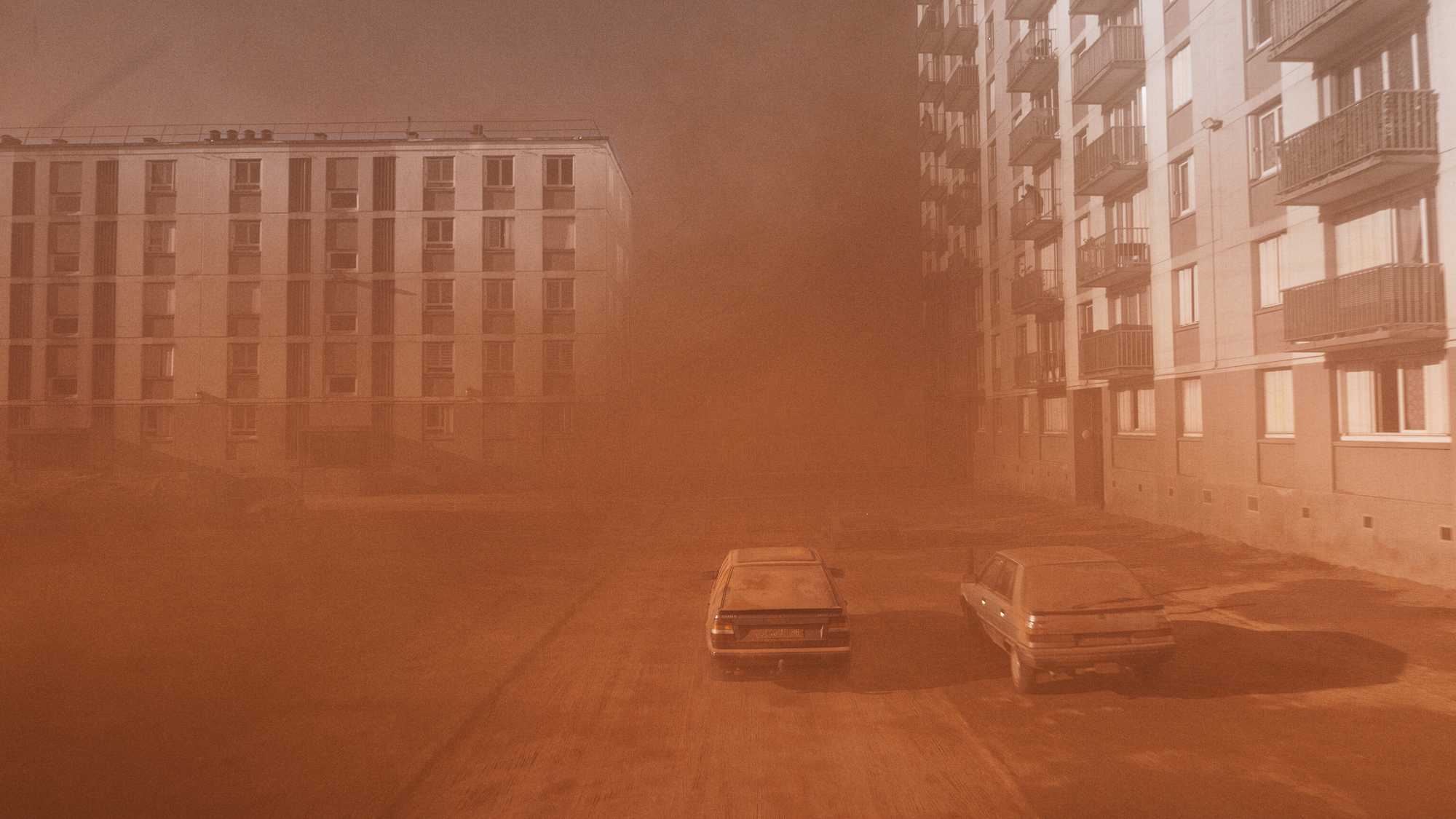
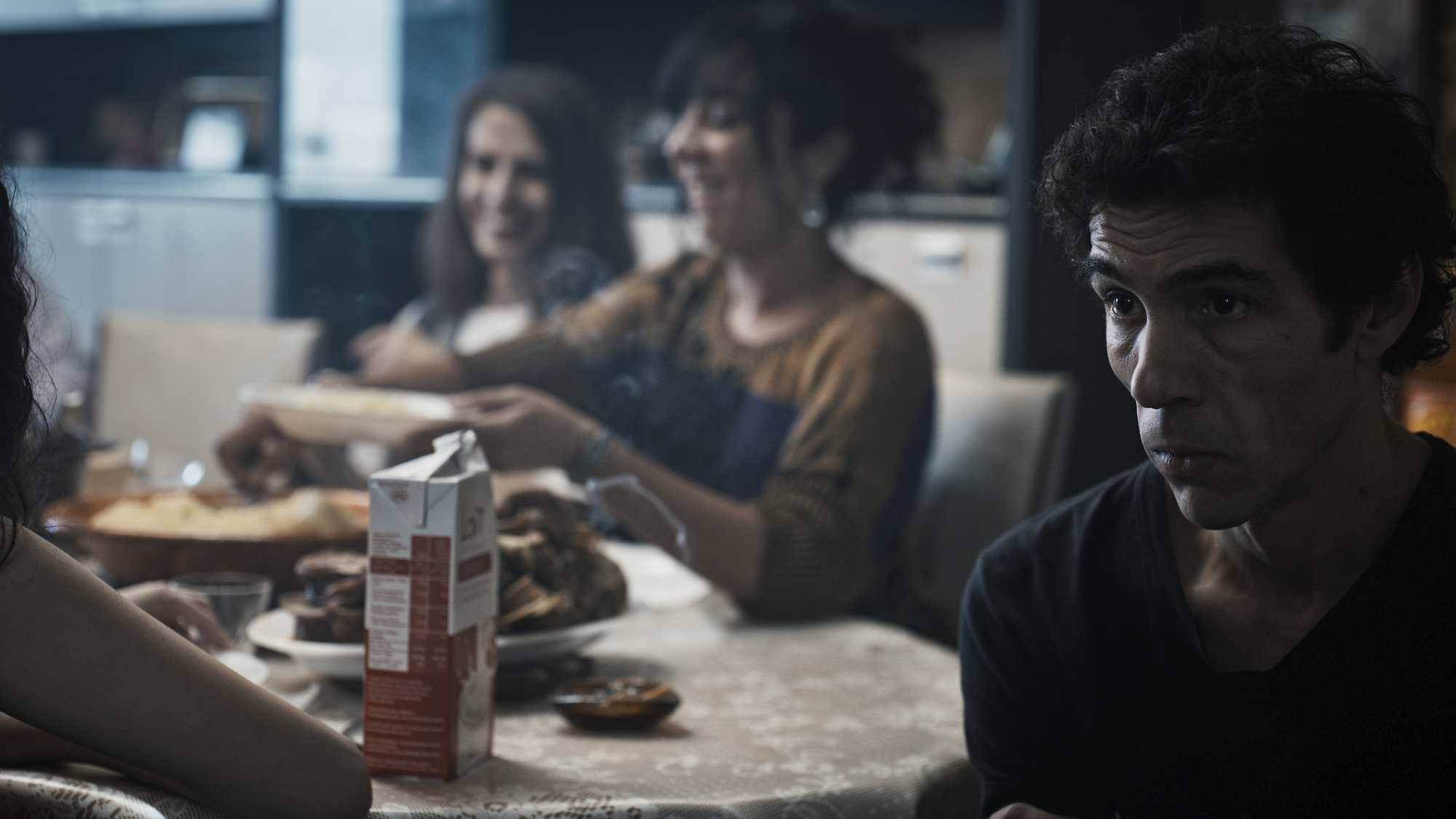
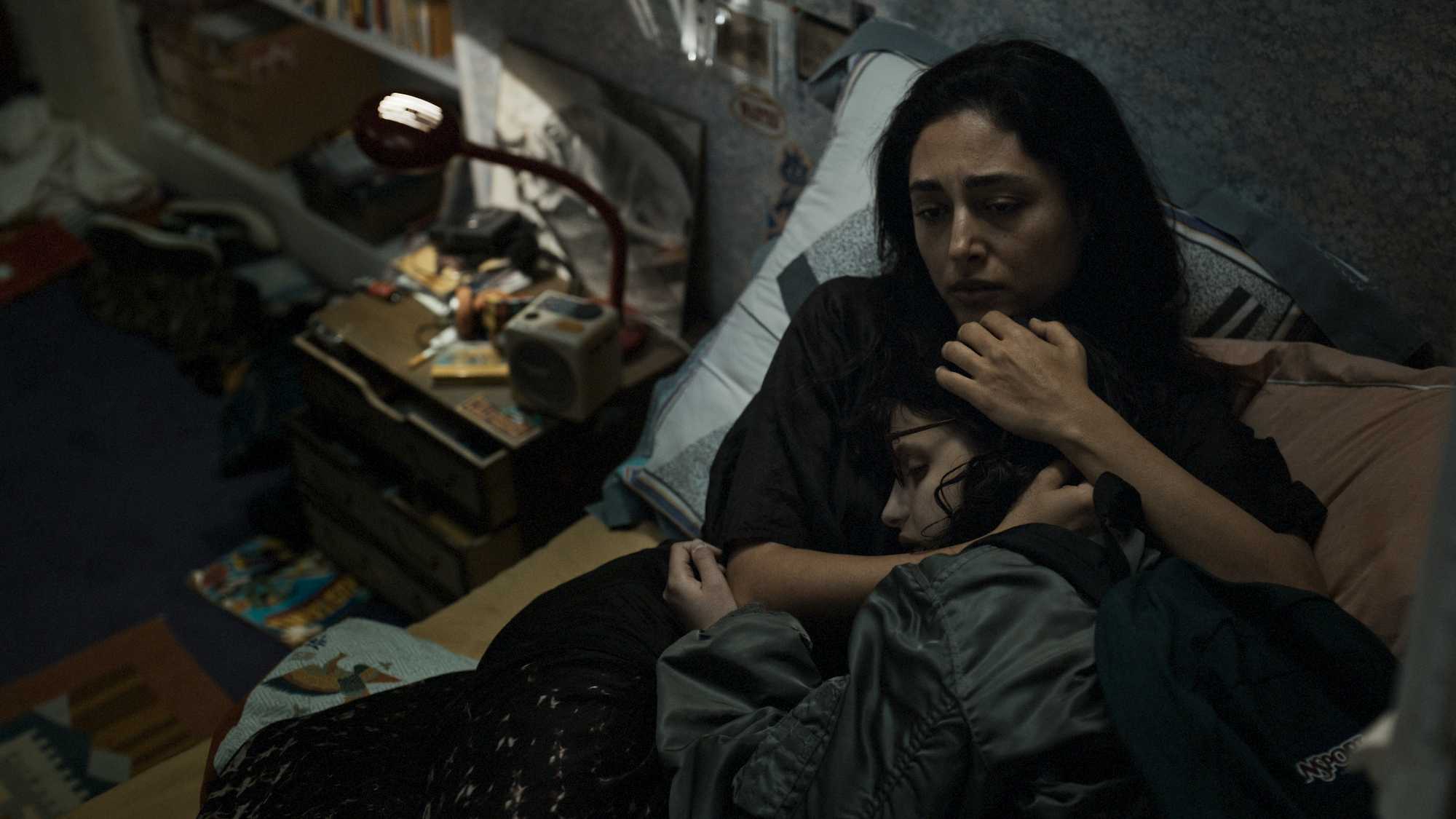
Through its complex structure, formed of different timelines and split realities, uncanny dreams and blurred memories, Alpha viscerally teases out the binds of love and trauma.
Alpha 2025
Few knew what to make of provocateur Julia Ducournau’s follow-up to her Palme D’Or-winning Titane when it released In Competition at Cannes in 2025. Though her trademark brutality and bluntness were intact, here was an altogether more mournful, distinctively mature work, an intensely personal reflection of the ruin and cruelty of the AIDS crisis in France at the end of the 20th century.
At the centre of Alpha is a bracingly simple yet potent visual metaphor: a virus known as the ‘Red Wind’ is sweeping through the communities of a semi-dystopian Paris, slowly turning its victims into marble. The irony is clear: though the marble sculpture is one of our most revered forms of classical art, such an affliction is met with fear and hatred by a populace afraid to catch it, something thirteen-year-old Alpha (newcomer Mélissa Boros) finds out firsthand after receiving a stick-and-poke tattoo with a dirty needle at a party. As she and her mother (Golshifteh Farahani) anxiously await test results, Alpha’s uncle Amin (Tahar Rahim), a recovering junkie, takes refuge at their apartment. Ducournau’s film is free of sentiment and easy answers, yet wears its wounded heart on its sleeve.