A queer epic spanning 85 years of Spanish history, inspired by an unfinished work by poet Federico García Lorca and brought to the screen with breathtaking ambition — The Black Ball left Cannes audiences on their feet for 16 minutes, and it's easy to understand why.
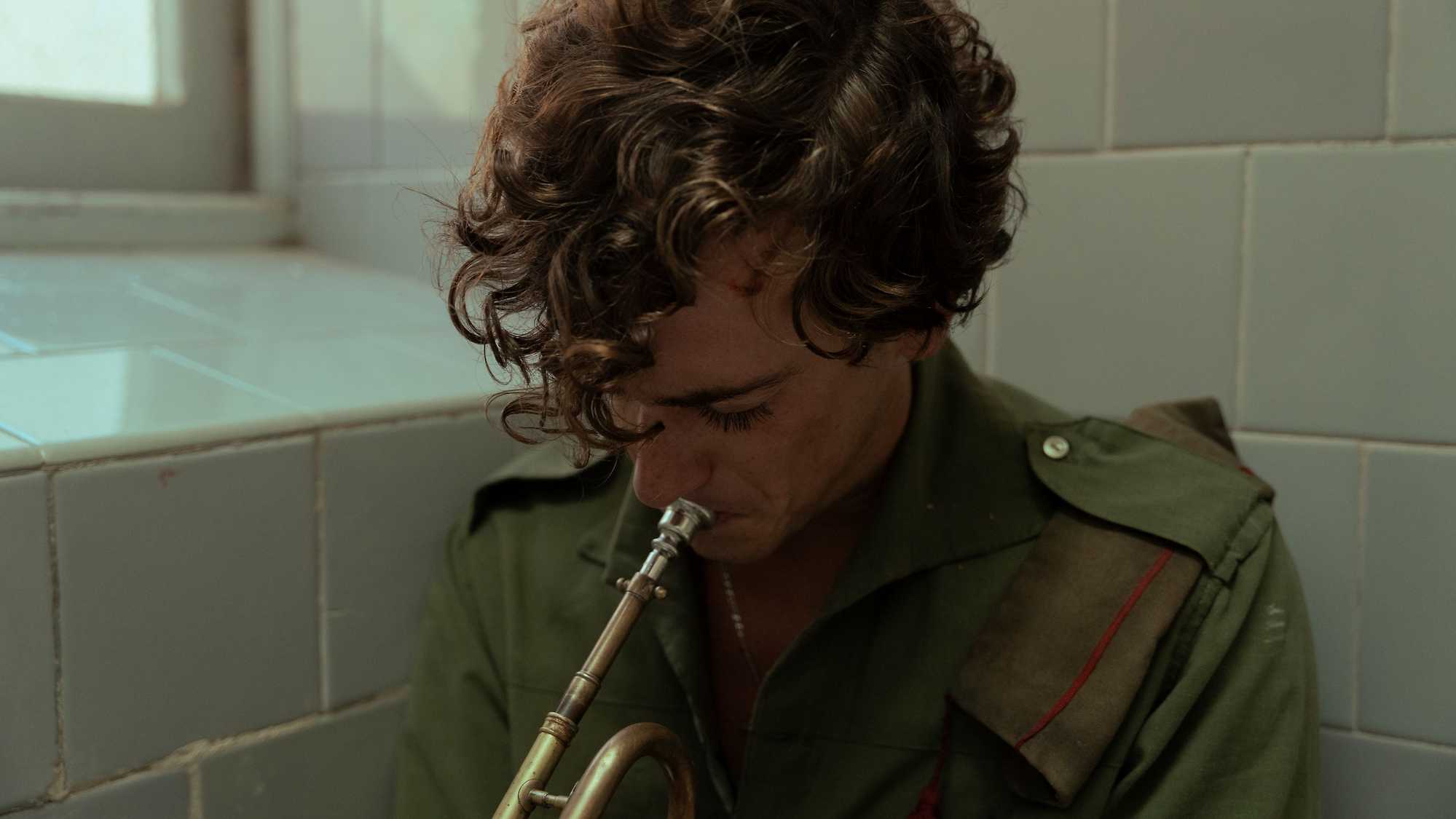
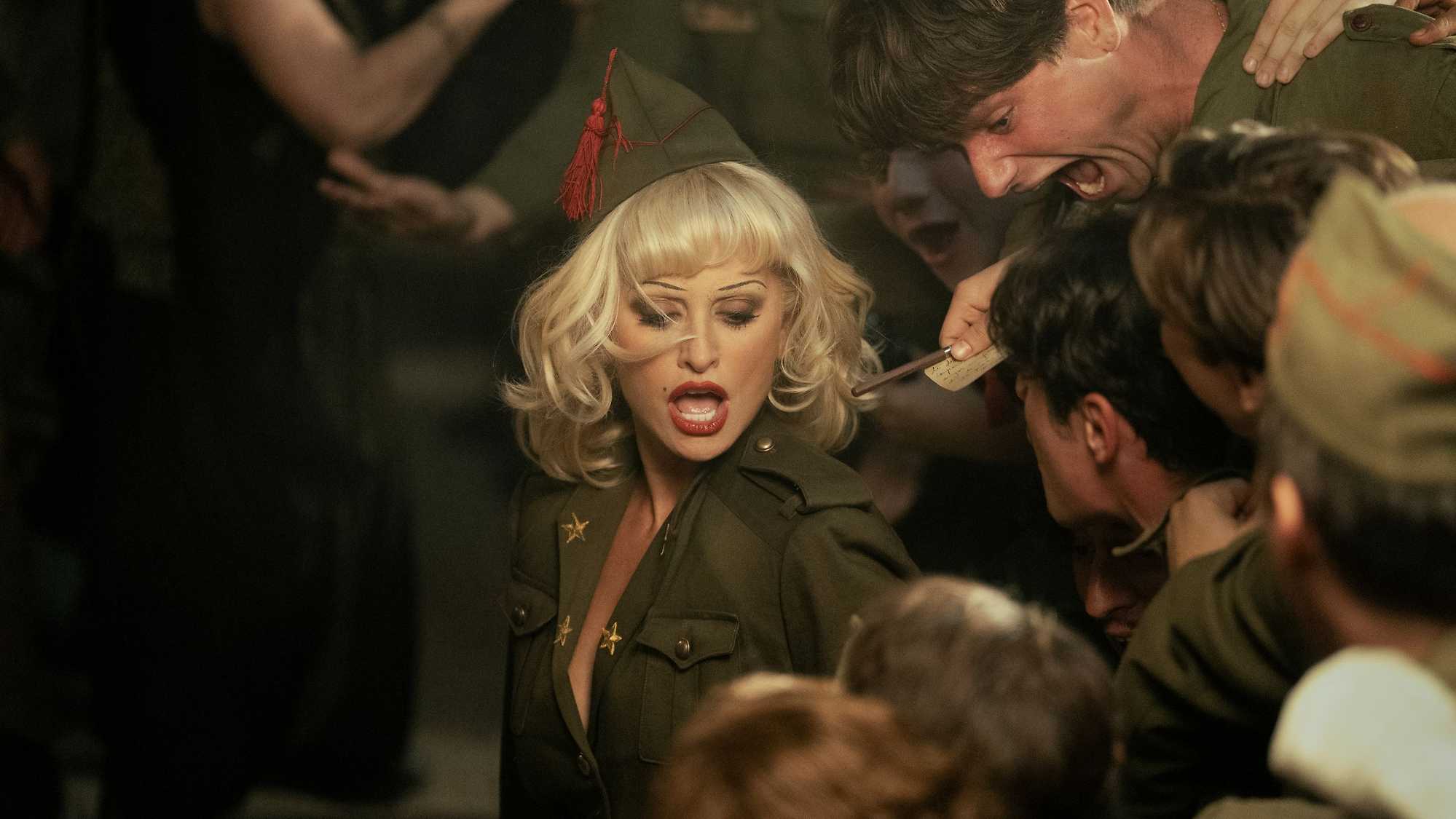
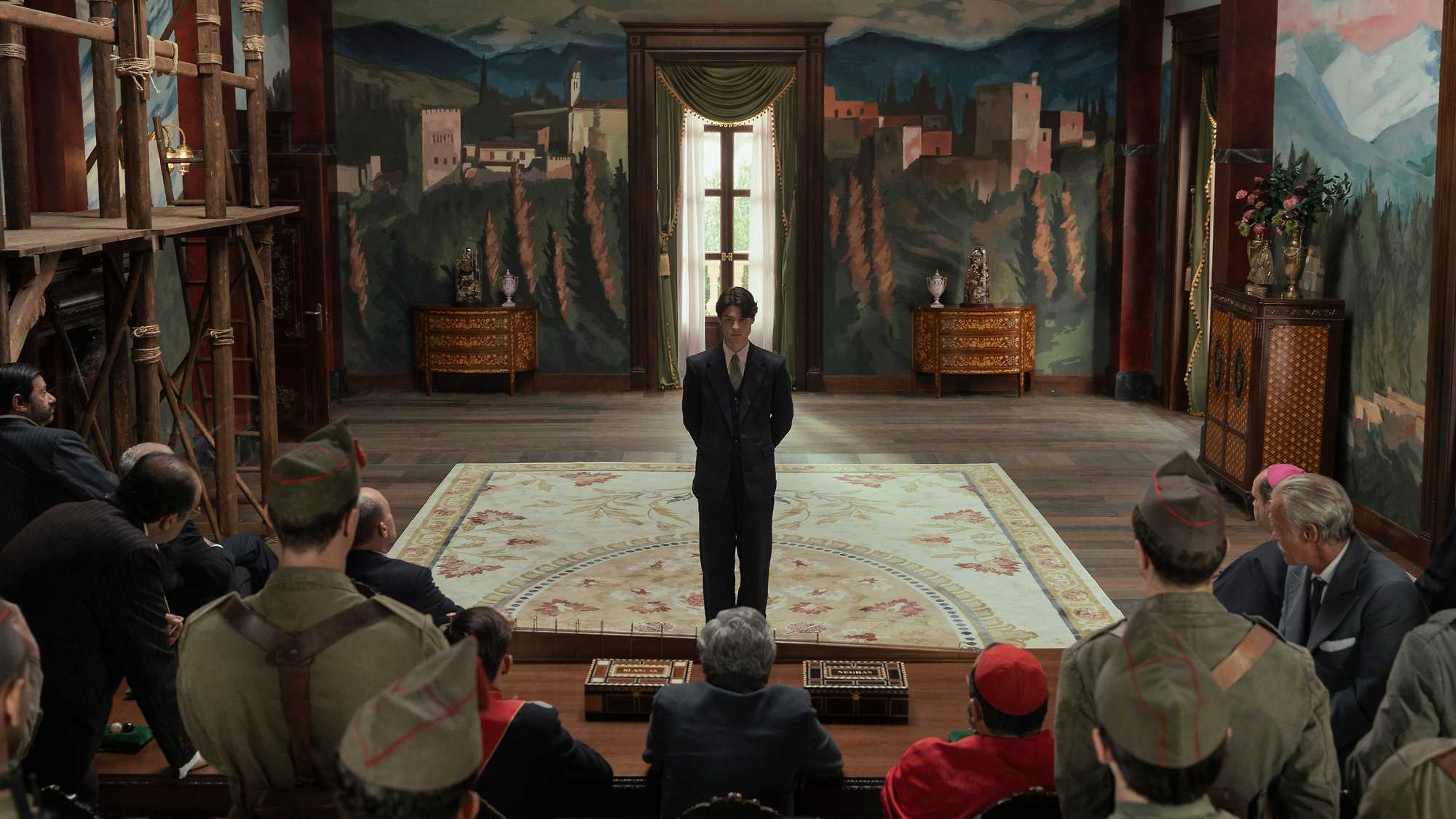
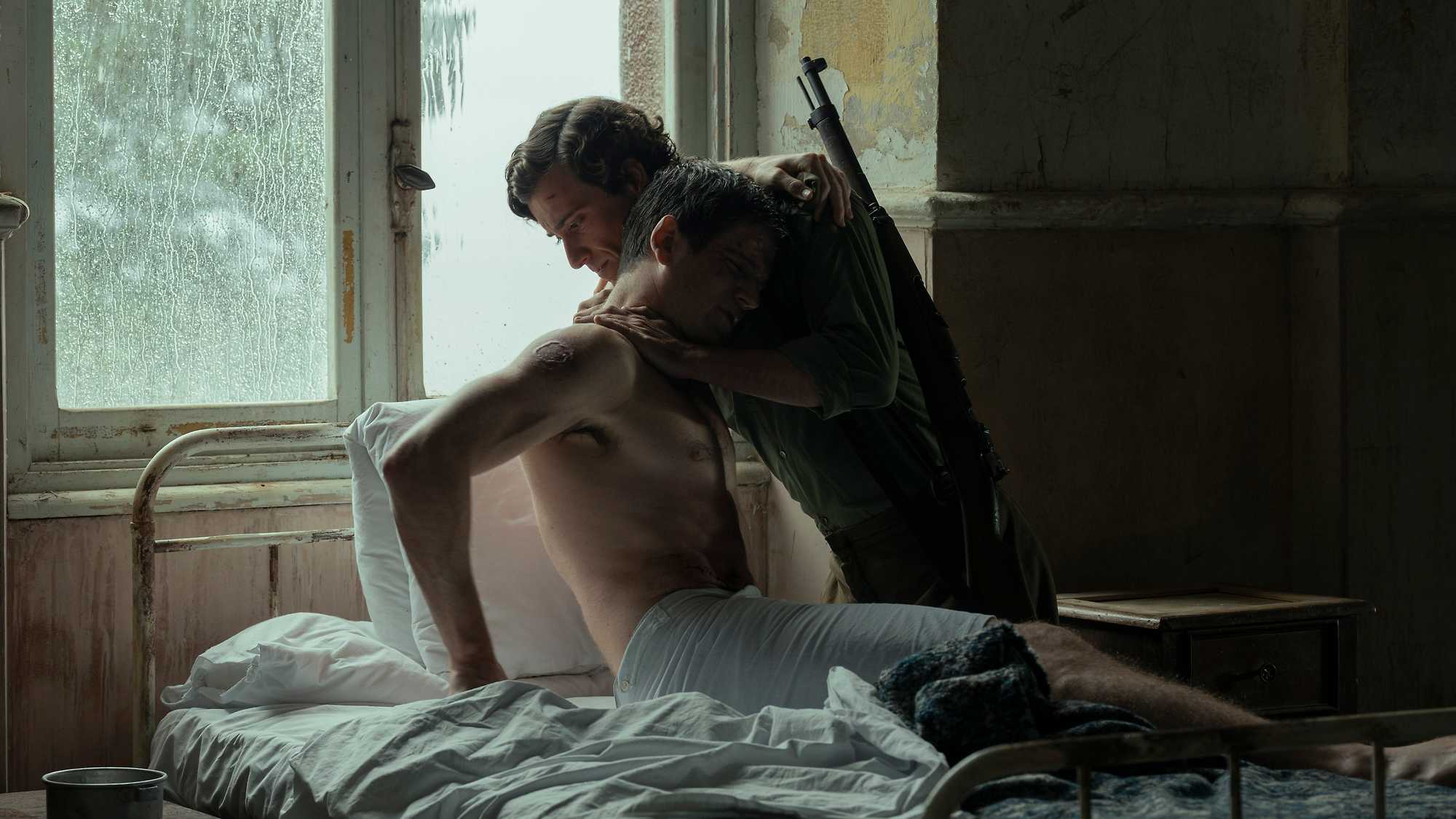
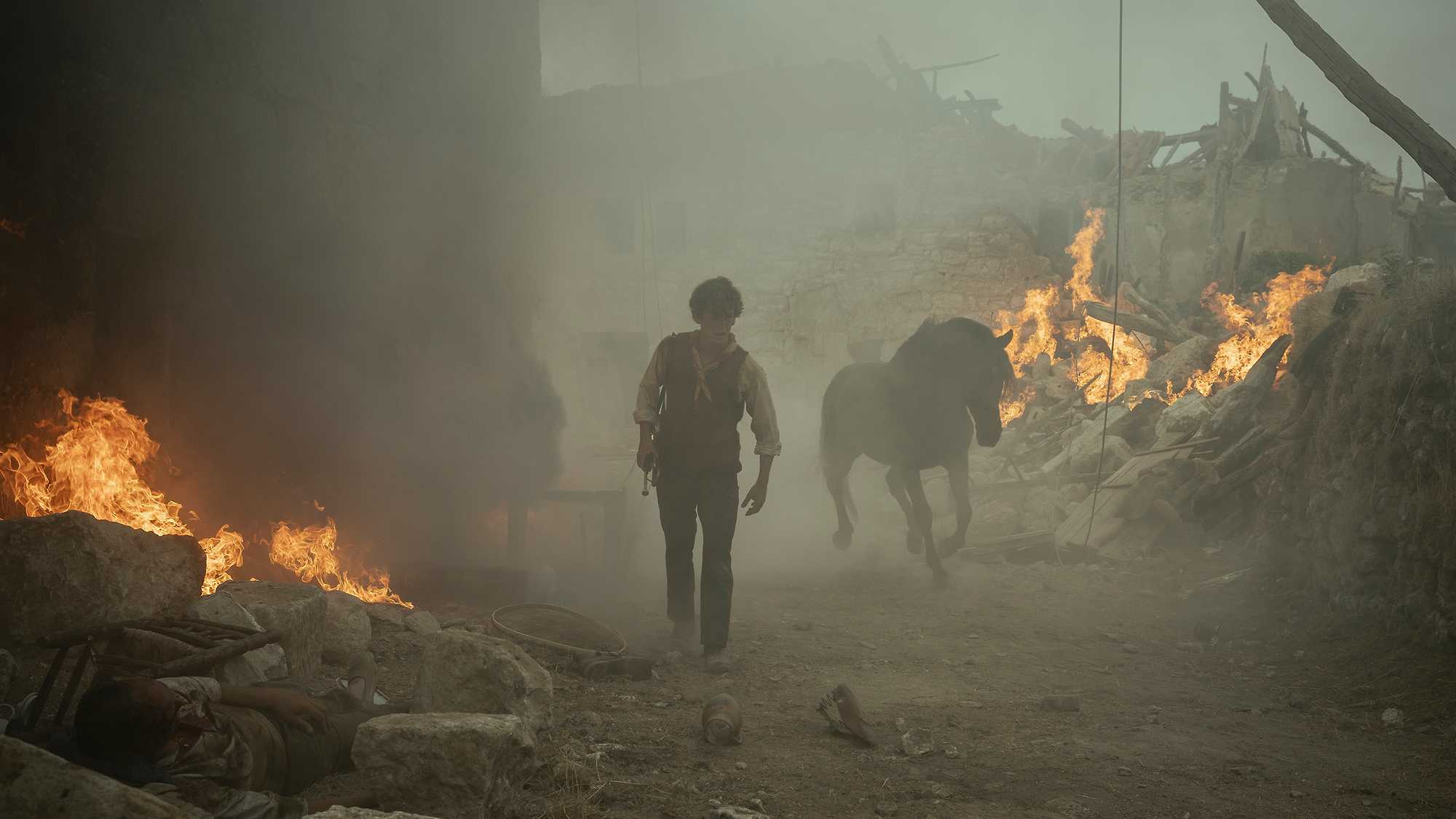
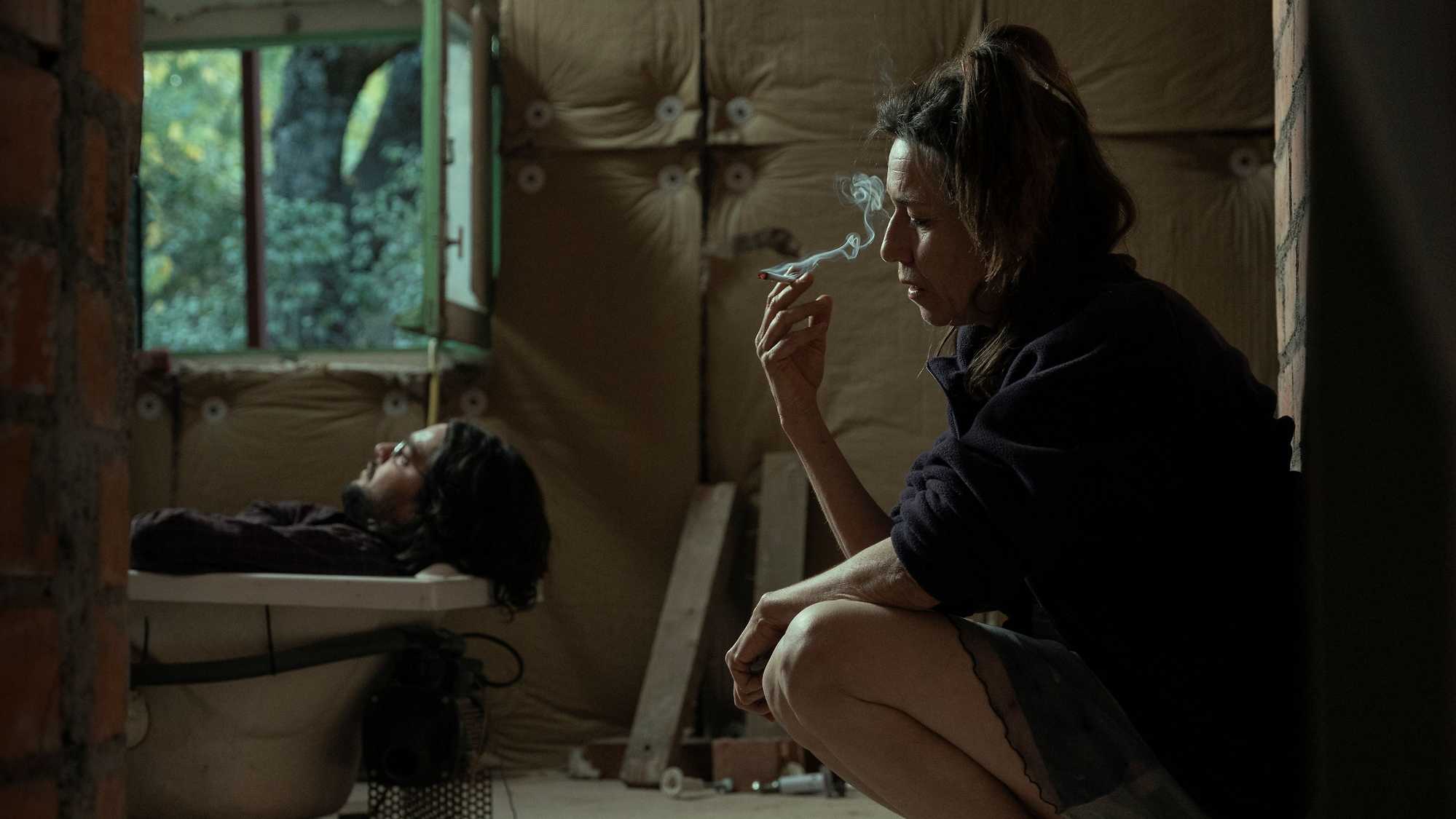
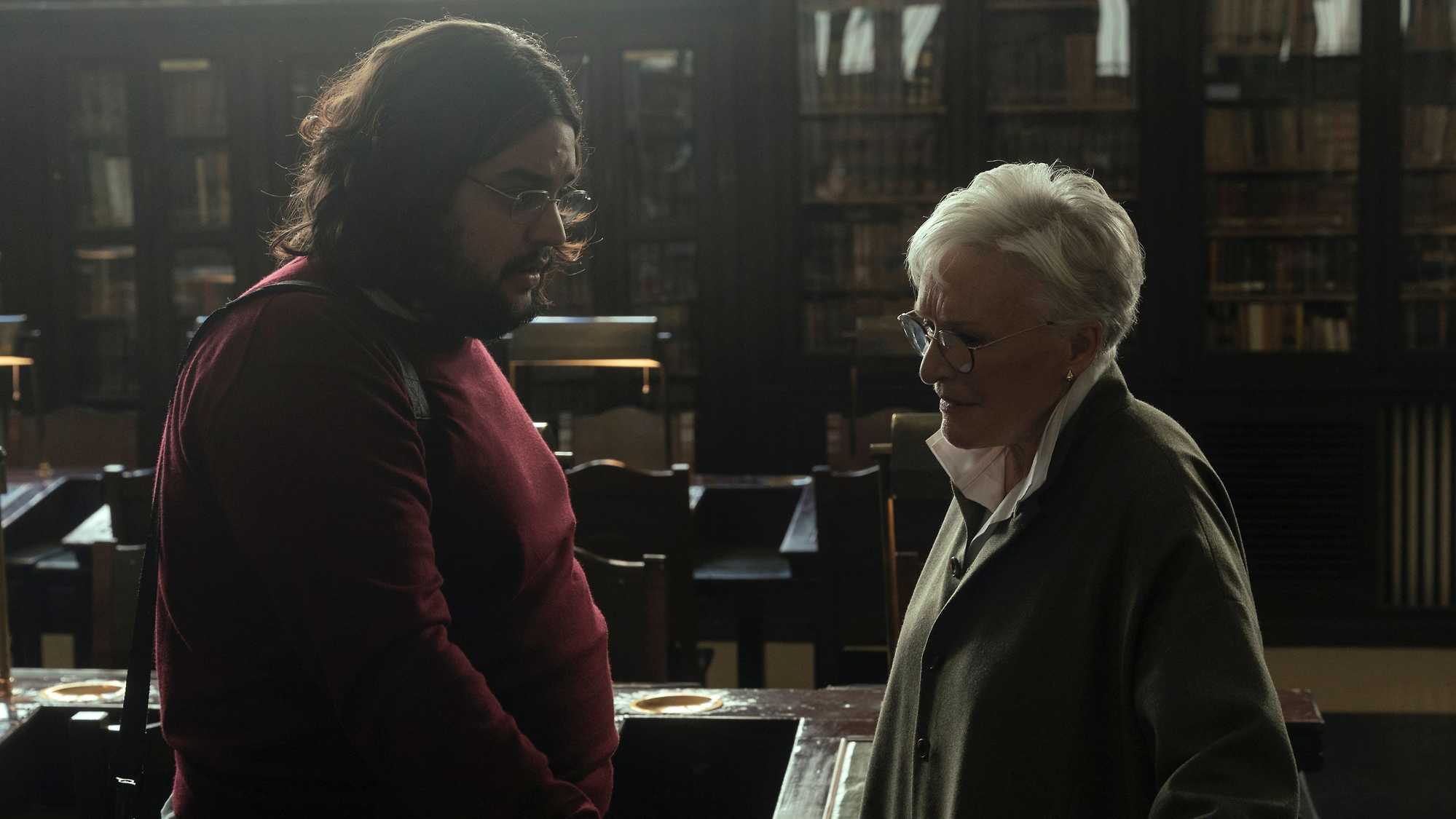
Three narratives told across three timelines, each with a distinct visual identity... The screenplay is either perfect or pretty damn close...
The Black Ball 2026
La Bola Negra
The Black Ball opens in 1937, where a rural village loyal to Nationalist rebels is holding a celebration to welcome their Italian allies. Only, when the planes fly overhead, they strafe the villagers with bullets and send bombs whining down into buildings. One young man, Sebastián (the singer Guitarricadelafuente, making a promising acting debut), scrambles to safety, only to be conscripted into the fascist army.
Five years earlier, with revolution approaching, another young man, Carlos (Milo Quifes), drowns his sorrows after being black-balled from his father’s social club due to unseemly rumours about his sexual proclivities.
And in 2017, a gay writer and historian, Alberto (Carlos González), learns that a grandfather he didn’t know he had has left him something in his will — a document that will crucially link his story to the past. How these three plots intersect is the mystery of the film.
Nearly every shot is a carefully composed wonder, either an eye-popping still-life tableau or a breathtaking bit of camera movement, all done up in lush, expensive-looking period detail. It is high time we had a gay war epic of this scope and soulfulness and invention.
– Richard Lawson, Hollywood Reporter